What is 60 Seconds! Atomic Adventure Games?
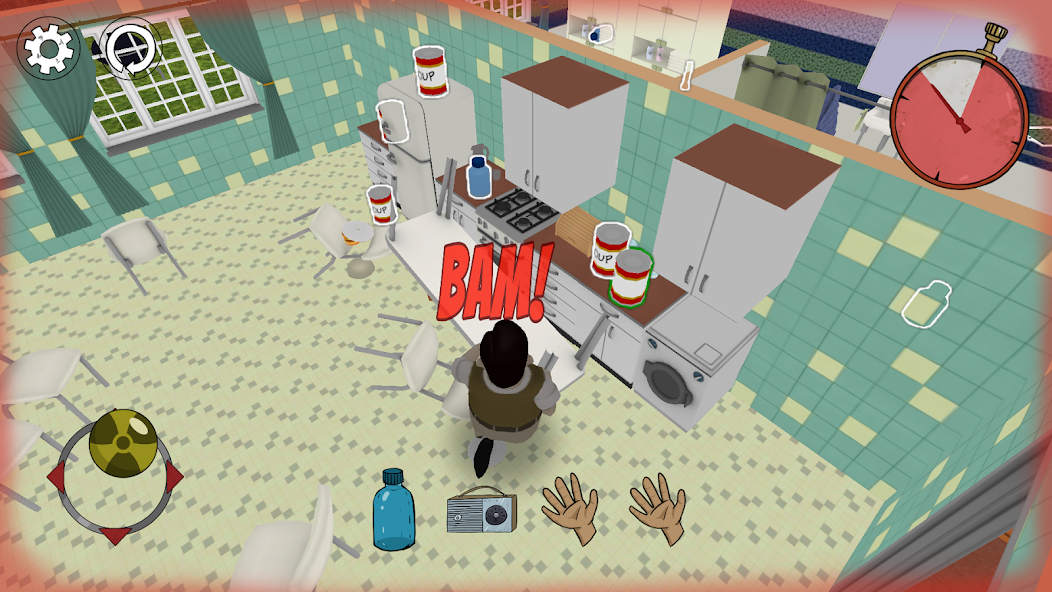
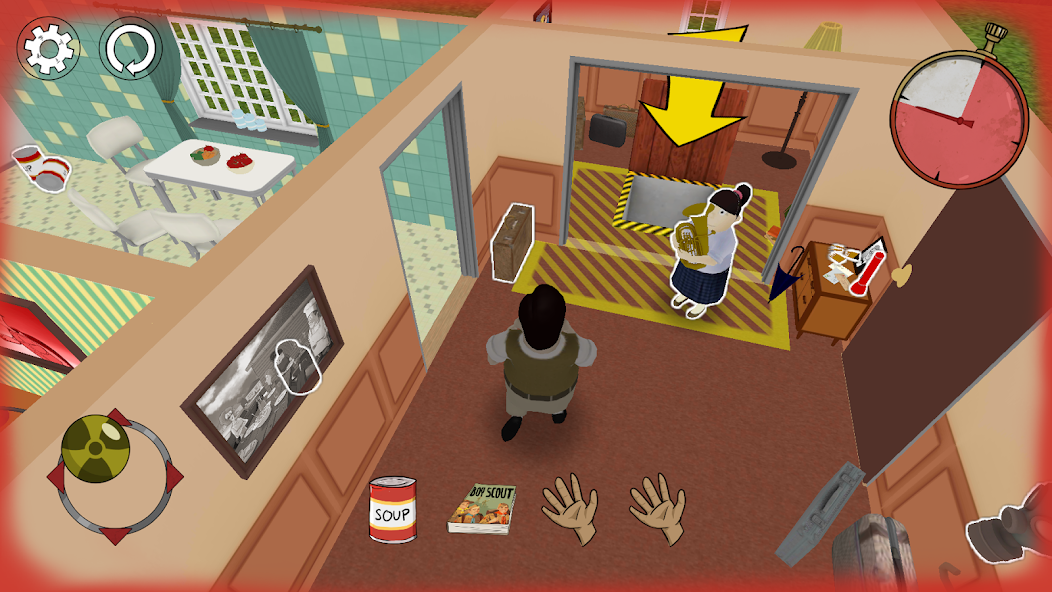
60 Seconds! Atomic Adventure is a tense singleplayer survival game that combines quick decision making with long term resource management. The game drops players into a frantic pre-apocalypse scenario where every second counts: a family race against a nuclear strike, forced to scavenge supplies and cram into a fallout shelter before the sirens stop. The initial scavenging phase is a frantic minigame of choice and consequence, condensed into a single minute where players must decide which items and which family members to bring along. After the shelter door closes, however, the pace shifts to a slower, more deliberate survival simulator that tests planning, rationing, and the psychology of isolation. Randomized events and a branching set of narrative outcomes ensure that even familiar choices can produce new results, fostering a constant sense of uncertainty and suspense. Tension arises from resource scarcity, the unpredictable nature of events, and the mounting psychological pressure on the characters. Moral dilemmas and impossible tradeoffs—such as choosing who receives food, whether to repair radio equipment, or when to investigate noises outside—create emotionally charged moments that stick with players. The interface is approachable, mixing simple point-and-click interactions with clear menus that track supplies, health, and daily reports. Difficulty scales through modifiers and player decisions rather than arbitrary numbers, so skillful play and improvisation are often rewarded. Although compact in scope, the game offers deep replayability because of its emergent storytelling, dark humor, and the interplay between urgency and careful planning. It appeals to players who enjoy survival challenges wrapped in narrative choice and enjoy seeing how different strategies play out across multiple attempts. Players who like experimentation will appreciate the learning curve, while those who favor taut atmosphere will find the blend of humor and dread particularly compelling in repeated playthroughs that reveal hidden details and surprises regularly.
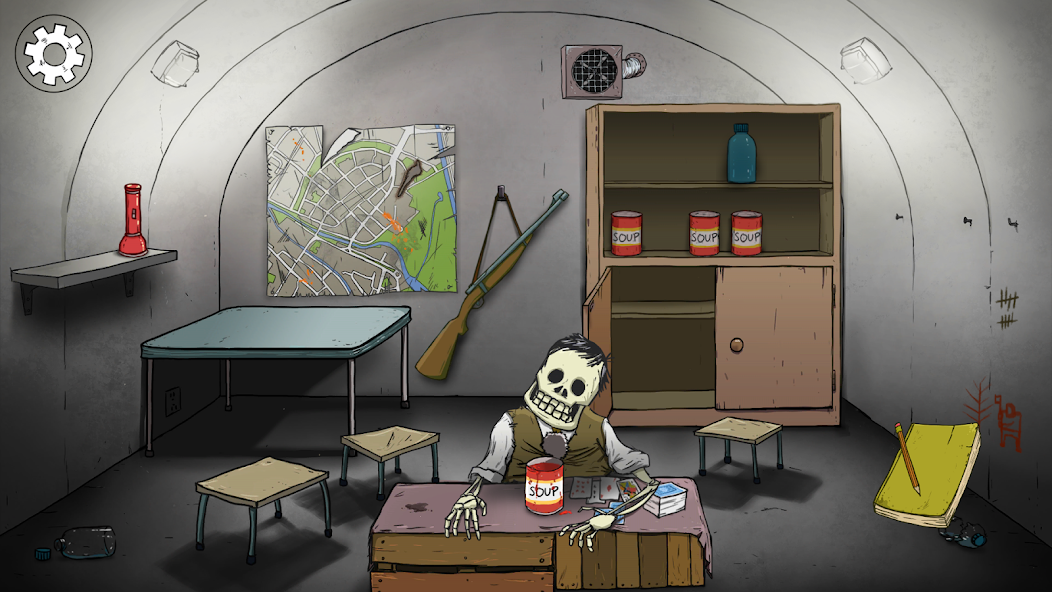
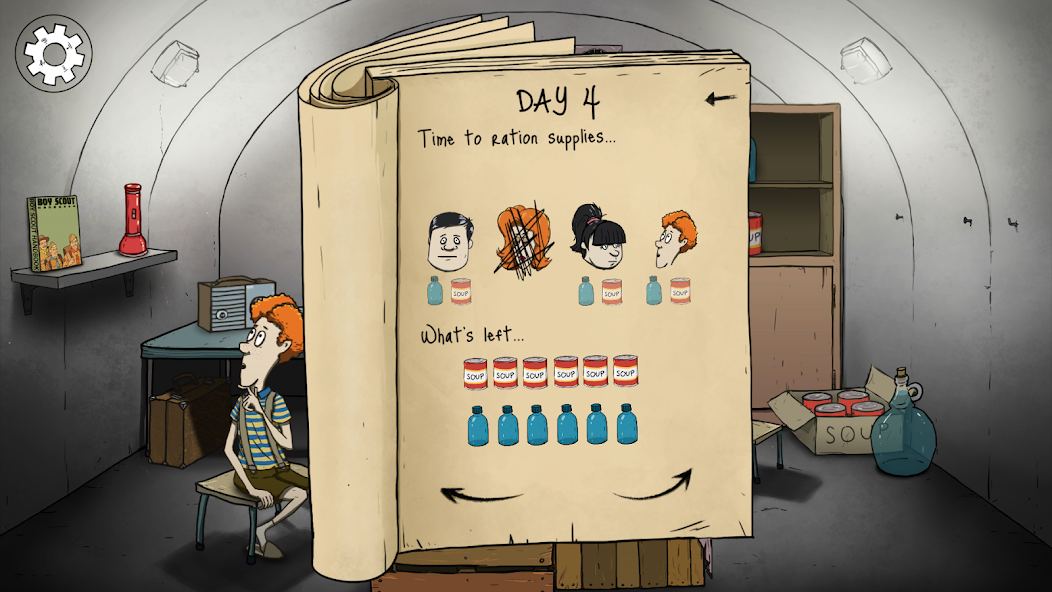
The core mechanics of 60 Seconds! Atomic Adventure are deceptively simple, but they create a dense web of strategic decisions across short and long timeframes. In the initial scavenging minute, spatial constraints and limited time force prioritization: every second used to grab food, water, medicine, or tools is a second not available for rescuing a family member or securing a specific item. This creates a layered mini-puzzle about opportunity cost where players rapidly evaluate immediate needs versus potential future contingencies. Once in the shelter, gameplay transitions to a day-to-day management loop where supplies deplete, characters suffer stress, and events present risky choices. Players must allocate rations, handle illnesses, and decide how to use consumables such as canned food, vodka, or batteries. Repairs and crafting options add tactical depth, allowing certain items to be combined into improvised gear that can change odds in dangerous situations. The game also includes a radio mechanic that can yield contact, missions, or misleading information, prompting players to weigh the value of attempting to establish outside communication against the accompanying risks. Randomized outcomes and branching event chains reward flexible strategies and penalize tunnel vision. Risk management becomes central: should one conserve resources and avoid exploration, or expend scarce supplies to attempt a rescue or gather intelligence? Permadeath and cascading failures mean that bad early choices can snowball, making scouting and contingency planning valuable. Yet the game balances punishment with possibility; learned knowledge and subtle pattern recognition across runs enable improvement. Timing and morale interplay influence outcomes, so social dynamics between family members matter as much as raw inventory counts. Altogether, the mechanics reward players who think probabilistically, adapt to emergent circumstances, and accept tradeoffs that fit their playstyle and appetite for tense, emergent stories. Players can experiment to discover synergies and hidden event triggers regularly.
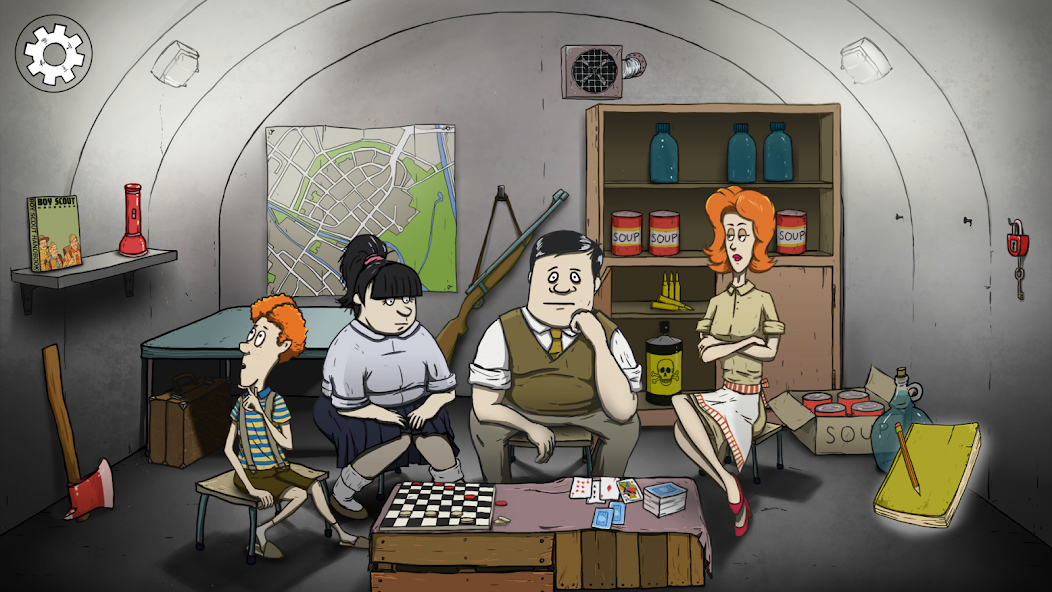
At the heart of 60 Seconds! Atomic Adventure lie its characters and the bleakly comic tone that colors their survival story. The game presents a small family cast—usually a father, mother, child, and sometimes additional relatives—each with distinct personalities, needs, and vulnerabilities. These human details matter because resource allocation and social interaction become key mechanics; who gets breakfast on a given day can influence health, morale, and subsequent decisions. Writing balances sardonic humor with moments of genuine pathos, and the contrast between absurdist lines and stark choices amplifies the emotional stakes. Events often pose moral puzzles that force players to weigh compassion against practicality: whether to share limited medicine, gamble on a risky excursion for potential supplies, or accept a horrid tradeoff to keep others alive. This blend of satire and sincerity creates memorable vignettes, where even small, seemingly mundane choices accumulate into a unique narrative arc. Player agency matters: different decisions reveal different dialog options, event branches, and endings, encouraging investment in the characters' fates. The game also uses randomized touches and emergent interactions to produce surprising, sometimes darkly funny outcomes that feel personal because they stem from the player's own mistakes or bold gambits. Sound bites, short sketches, and family member reports on daily life contribute to atmosphere and character development despite minimalistic presentation. The limited cast and tight setting focus attention on interpersonal dynamics, turning resource lists into social dilemmas. Consequences can be sudden and irreversible, giving emotional weight to permadeath and loss. For many players, the mixture of grim humor, domestic detail, and harsh survival mechanics produces stories worth retelling—moments of absurdity, regret, or triumph that linger after a session ends. Ultimately, the game's narrative strength is how it makes systems feel human, and how personality and policy collide under pressure. That fosters memorable emergent drama.
60 Seconds! Atomic Adventure uses a distinct visual and auditory style to lift its premise from abstract concept to lived experience. The graphics favor bold, cartoonish silhouettes and a limited palette that marries cheerful, retro aesthetics with grim subject matter; this contrast heightens the dark humor and makes bleak scenarios striking rather than merely depressing. Character portraits and item icons are concise and expressive, conveying mood through minimal detail, while environment screens communicate the cramped claustrophobia of shelter life with economical composition. Animations are often brief but well-timed, so a single conquest, panic, or scavenge action feels punchy and immediate. Sound design complements visuals by mixing jaunty, period-tinged melodies with more ominous, atmospheric cues during tense moments. SFX like distant sirens, footsteps above the shelter, or the crackle of a radio add tactile realism and help players infer unseen threats. Voice snippets and quips are used sparingly, preserving impact when characters react or deliver gallows humor. The interface design prioritizes clarity, with readable text, tidy inventory displays, and simple prompts that keep attention on narrative choices and survival calculations. Lighting and color shifts subtly mark changes in mood: warm hues in calmer periods, colder tones when supplies dwindle or danger approaches. These aesthetic choices work together to produce a memorable identity; the game feels like a satirical take on mid-century survival manuals filtered through a pop-culture lens. Because it leans into stylization rather than photorealism, the title can present traumatic subjects with distance and satire without trivializing consequences. The result is an evocative fusion of style and function, where form supports gameplay and tone, and where sonic cues and visual shorthand efficiently communicate stakes in each tense decision. This accessible but polished presentation helps players quickly read situations and make decisions while enjoying a memorable audiovisual personality that resonates broadly.
Replayability is a core appeal of 60 Seconds! Atomic Adventure, rooted in its procedural events, branching outcomes, and the compact loop that invites repeated experimentation. Each run condenses high-stakes decisions into brief sessions that can unfold dramatically different narratives depending on tiny choices and random seeds. This setup encourages players to test hypotheses: change which family members are rescued, prioritize alternative items during the minute of scavenging, or pursue riskier strategies to see how late-game events respond. Because the game emphasizes emergent storytelling over deterministic puzzles, comparing runs reveals patterns and occasional hidden event chains that smart players can exploit. Difficulty options and added scenario modifiers expand challenge for those seeking a stiffer test, and optional goals or achievement lists give structure to long-term play. The game’s short-session nature also makes it accessible for micro-sessions while rewarding players who commit to longer campaigns to uncover rare endings. Community discussion often revolves around shared anecdotes, strategies, and surprising outcomes, which further fuels replay interest even if individual playstyles differ. Many players derive satisfaction from incremental mastery—learning which choices reduce cascading failure, how to stretch rations under pressure, or how to leverage the radio and crafting systems to shift probabilities. The balance of unpredictability and recognizable systems keeps runs fresh: one playthrough might be a comic disaster, another a tense fight for survival, and a third a clever, efficient triumph. For players who enjoy achievements and completionism, methodical experimentation unlocks a catalogue of endings and event permutations. This combination of procedural variety, compact pacing, and layered systems results in a game that feels perpetually worth returning to, whether for a quick session to test a new tactic or a marathon stretch to pursue every possible narrative outcome. Frequent small victories and memorable failures alike motivate new trials and creative problem solving regularly.
 HappyMod