What is Fran Bow Games?
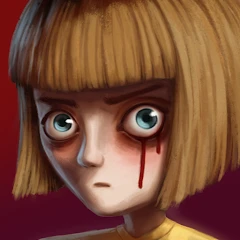
Fran Bow is an independent point-and-click adventure game that follows the story of a young girl named Fran who struggles with grief, trauma, and a fragile grasp on reality after witnessing a horrific family event. Created by Killmonday Games, the title combines classic adventure mechanics with a darkly whimsical aesthetic, presenting a narrative that shifts between unsettling domestic environments and surreal fantasy landscapes. Players inhabit Fran’s perspective, solving inventory puzzles, interacting with quirky characters, and piecing together the fragmented memories that drive the plot forward. The game opens in a psychiatric hospital where Fran faces containment and misunderstanding, and it gradually expands into alternate realms accessed through a combination of logic and symbolic objects. Rather than relying on combat or time pressure, the experience emphasizes observation, dialogue choices, and creative item use, encouraging exploration of small details and environmental storytelling. Throughout the journey, the developers balance childlike curiosity with mature themes, offering both grotesque moments and tender vignettes that reveal the protagonist’s inner life. Although the story addresses heavy subjects such as mental illness, loss, and personal agency, it is presented through a lens of fairy tale motifs and dark humor that softens the tone without trivializing the material. Players often find themselves interpreting ambiguous clues and reconstructing a non-linear mystery that resists simple explanation. For those who appreciate emotionally driven adventures with a gothic flavor, Fran Bow functions as a compact but memorable narrative experience. The game’s length and episodic pacing allow for deliberate reflection between chapters, making each revelation feel significant while maintaining a steady sense of curiosity and unease. Its compact design encourages multiple playthroughs to catch subtle clues, and its puzzle structure rewards patience and lateral thinking as players map Fran’s psychological landscape alongside the unfolding mystery. This blend of sorrow and wonder defines Fran Bow.
At its core, Fran Bow employs traditional point-and-click mechanics that emphasize exploration, item combination, and environmental interaction over reflex-driven challenges. Players move Fran around distinct scenes, clicking objects to examine them, picking up items that fill an inventory, and using those items in creative ways to unlock new areas or solve narrative puzzles. The game frequently requires combining disparate objects or contextualizing a seemingly mundane trinket within a symbolic puzzle, rewarding lateral thinking and careful note-taking. Puzzle difficulty generally scales with story progression, beginning with intuitive tasks and evolving into multilayered sequences that may involve logic puzzles, timing-based mini-challenges, and character-driven riddles. Because the title focuses on storytelling, puzzle solutions often tie directly to plot revelations, making observation and inference as important as manipulation. Dialogue choices and short scripted interactions drive the pace without branching into complex moral systems, maintaining a primarily linear narrative while still allowing players to uncover optional details. The interface is deliberately minimalistic, keeping inventory and interaction cues unobtrusive so that atmosphere remains central. Save systems permit players to pause and reflect between chapters, while hinting systems remain sparse, encouraging revisits to prior locations and experimentation. Environmental puzzles sometimes change meaning across different realms, forcing players to reassess past assumptions and reinterpret earlier clues. A small but significant element of trial and error exists, along with moments of safe failure that encourage players to test hypotheses without severe penalties. The balance between challenge and accessibility makes Fran Bow approachable for experienced adventure fans as well as newcomers who enjoy slower, thought-provoking gameplay. Ultimately, its mechanics serve the narrative, using item-based puzzles and scene exploration to mirror Fran’s mental state and to transform conventional game interactions into an expressive storytelling tool. Subtle navigation and clever object hotspots reward patience while promoting immersion and narrative continuity through interaction.
Fran Bow’s visual identity is immediately striking, combining hand-drawn illustrations with a palette that swings between muted domestic tones and vivid, otherworldly colors. Backgrounds and character sprites often feature detailed textures, crooked perspectives, and uncanny proportions that contribute to a sense of dislocation and wonder. The art direction draws inspiration from both classic fairy tales and macabre illustration traditions, producing imagery that is at once childlike and disturbingly mature. Animations are used sparingly but effectively, with small movements, flickers, and transitions amplifying emotional beats and maintaining a steady undercurrent of unease. Complementing the visuals, the sound design crafts an intimate audio landscape populated by ambient drones, subtle environmental noises, and a sparse musical score that underscores mood without overwhelming the scenes. Voice work is minimal, relying mainly on evocative sounds and brief utterances that preserve Fran’s internal isolation while allowing players to supply interpretive weight. The juxtaposition of soothing lullaby-like motifs with sharp dissonances reinforces the game’s themes of innocence corrupted and perception fractured. Lighting and composition play pivotal roles, guiding attention and framing puzzles while suggesting hidden meanings in shadowed corners. Small details, such as the tactile depiction of objects or the creak of a door, enhance believability and invite repeated inspection. The cumulative effect of art and audio is a cohesive atmosphere that supports both narrative ambiguity and emotional resonance, encouraging players to linger and reflect. Rather than using spectacle, the game opts for intimacy: subtle visual clues, carefully timed sound cues, and deliberate scene transitions that together shape a powerful sensory narrative. This thoughtful combination of aesthetic choices elevates the experience, making the world feel lived-in and psychologically resonant. Small artistic flourishes, recurring motifs, and symbolic object design invite players to connect visual threads across chapters, deepening comprehension and emotional investment through discovery with haunting, memorable imagery.
Fran Bow explores heavy psychological themes through the lens of a young protagonist, using narrative ambiguity and unreliable perception to examine trauma, identity, and coping mechanisms. The story rarely hands players clear answers; instead it presents fragments of memory, symbolic objects, and distorted environments that invite interpretation. This method mirrors real-world experiences of disorientation following traumatic events, presenting internal struggles as externalized puzzles and encounters. Fran’s interactions with other characters, some compassionate and others cruel, complicate the moral landscape and challenge simple categorizations of good and evil. Alternating between hospital settings and fantastical realms, the narrative uses contrasts to probe the boundary between sanity and delusion, suggesting that both worlds hold pieces of a larger truth. Symbols recur throughout the game—animals, keys, and household artifacts—each layered with potential meanings that shift depending on context. Because the protagonist is a child, themes of agency and vulnerability acquire heartbreaking clarity: moments of wonder exist beside scenes of violation or neglect, producing a dissonant emotional rhythm. The game also touches on institutional responses to mental distress, portraying bureaucratic indifference and misinterpretation without reducing characters to mere archetypes. At times the narrative fosters empathy through glimpses of memory and confession, while at others it deliberately withholds consolation, leaving unresolved tensions that linger after play. This refusal to tidy the story into a neat resolution is part of the experience; it acknowledges that healing is non-linear and that some wounds resist full explanation. For players willing to embrace uncertainty, Fran Bow offers a meditative encounter with grief, resilience, and the ways imagination can both wound and heal. Interpretation plays a central role, and discussions about the game often center on symbolism, narrative ambiguity, and the ethics of depicting childhood trauma in interactive media. These conversations deepen appreciation while acknowledging emotional difficulty and artistic responsibility. today.
Since its release, Fran Bow has attracted attention for its bold storytelling, distinctive presentation, and willingness to address difficult emotional terrain within an interactive framework. Critics and players often praise the game for its evocative atmosphere and memorable visuals, noting the way gameplay and narrative reinforce each other. At the same time, some reactions highlight discomfort with the subject matter, and discussions about appropriateness and trigger content are common in community conversations. Those responses have not diminished the title’s influence among independent developers and storytellers: its success demonstrated that compact, artistically driven adventure games can find engaged audiences without relying on mainstream mechanics. The game has inspired fan art, thoughtful essays, streamers who analyze its layers, and academic interest in how games portray mental health and unreliable narration. For prospective players, familiarizing oneself with content warnings related to violence, psychological distress, and unsettling imagery helps set expectations, allowing viewers to gauge whether the tone aligns with personal preferences. The game’s pacing and puzzle focus make it suitable for players who appreciate slow-burn narratives and reflective problem-solving, while those seeking action-oriented experiences may find the rhythm challenging. Accessibility-minded players sometimes note the value of clear visual cues and patient design, though individual experiences vary. Soundtracks and art collections connected to the game have been celebrated for extending its aesthetic beyond the playable experience, providing fans with another avenue to engage with the material. Overall, Fran Bow occupies a distinct place in the indie landscape as a compact, emotionally potent adventure that favors atmosphere and interpretation over explicit exposition. For many, it remains a striking example of how interactive media can explore complicated human feelings with artistry and nuance. Players discussing the game highlight memorable moments, lasting emotional impact, and the way design choices evoke empathy without simplifying difficult subject matter. today.

 HappyMod