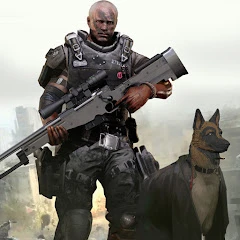
What is Gangstar Vegas: World of Crime Games?
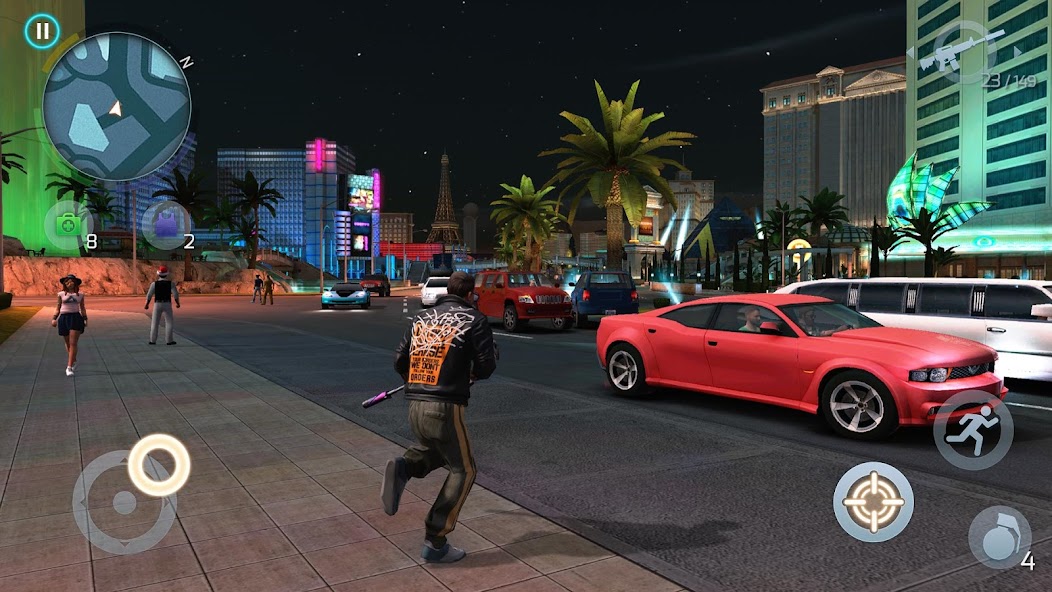
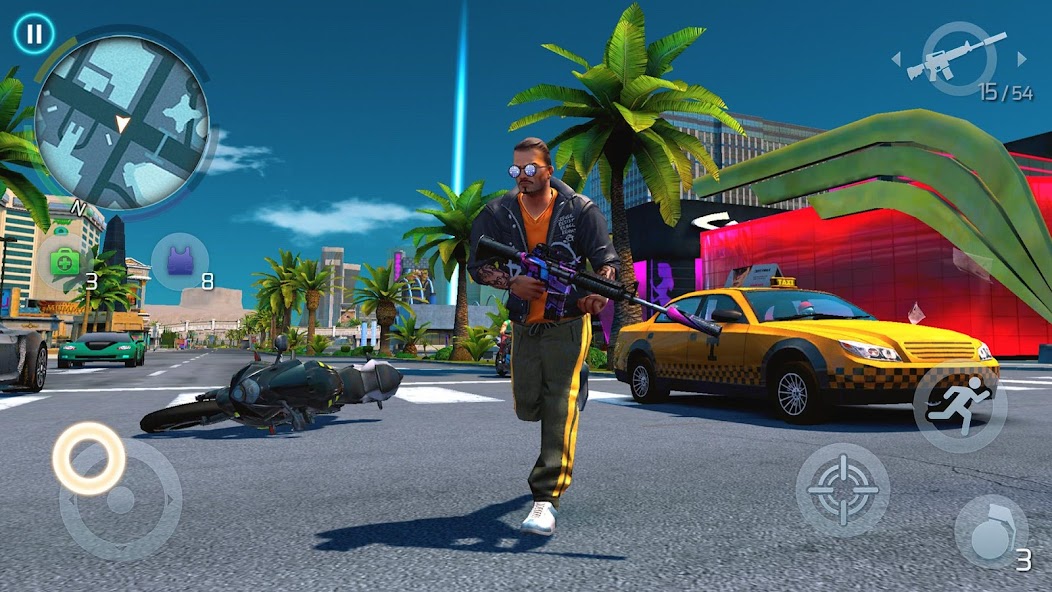
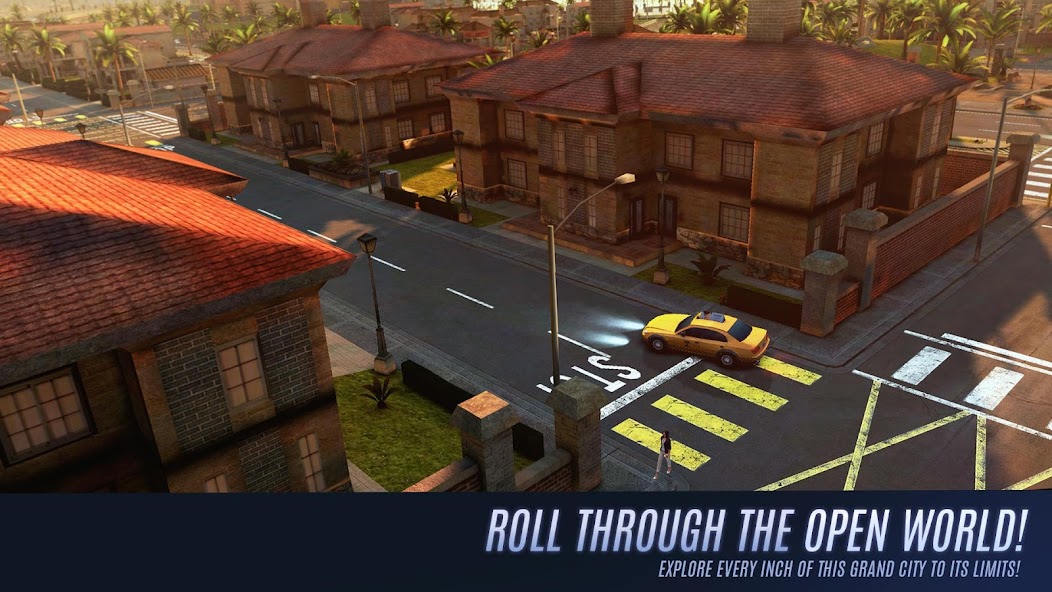
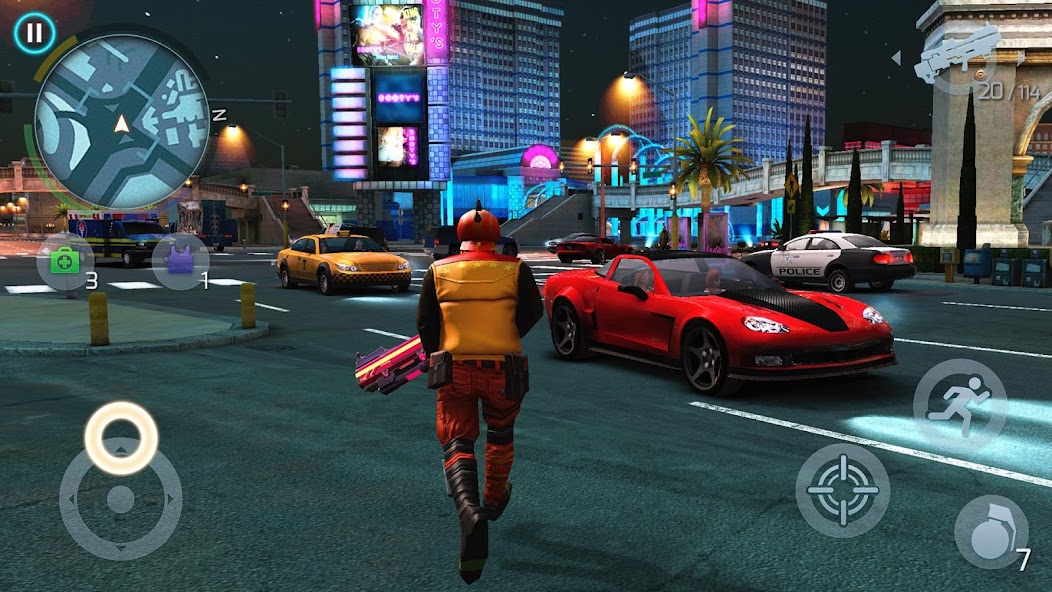
Gangstar Vegas: World of Crime is an open-world action-adventure title that places players in a sprawling, crime-infused urban playground inspired by the glitz and grit of Las Vegas. The game blends elements of sandbox exploration, mission-driven progression, and arcade-style combat to create a fast-paced and often chaotic experience. Players assume the role of a criminal protagonist and are invited to explore a dense cityscape filled with neon-lit boulevards, casinos, suburbs, industrial zones, and hidden alleys. The core loop alternates between scripted story missions that advance a central criminal narrative and a wide variety of side content including races, mini-games, territory skirmishes, and improvised armed confrontations. Vehicles, pedestrian NPCs, interactive businesses, and environmental hazards all contribute to a sense of unpredictability and emergent moments—car chases that spill into crowded streets, shootouts inside casinos, or high-speed escapes across desert outskirts. The game is designed to let players experiment with different approaches to objectives: brute force with heavy weapons, stealth and evasion, or creative use of explosives and vehicles to manipulate the environment. A signature part of the experience is the arsenal and vehicle variety, ranging from handguns and assault rifles to rockets and customized sports cars, each offering different handling and tactical uses. Visual and audio design emphasizes a cinematic, over-the-top crime fantasy, with dramatic cutscenes mixed into gameplay and soundtrack choices that reinforce the frenetic pace. While the experience borrows familiar tropes from other open-world crime franchises, it packages them into sessions that are often shorter and more arcade-focused, making it accessible for players who enjoy sandbox mischief, mission-based progression, and the adrenaline of urban chaos without committing to extremely long single-mission structures.
Gameplay in Gangstar Vegas revolves around a combination of third-person shooting, driving, and mission variety that together create a layered action experience. Combat mechanics prioritize responsiveness and spectacle: players can switch between a broad set of firearms, throwables, and melee options, take cover behind objects, aim from the hip or down sights, and perform context-driven takedowns. Gunfights are frequently augmented by vehicular combat, so learning vehicle handling—drifting through corners, ramming opponents, or timing jumps—becomes as important as marksmanship. A progression system underlies the gameplay loop, where completing missions, side activities, and challenges grants experience, unlocks new weapons or vehicle upgrades, and allows players to purchase cosmetic items. The game also implements a wanted/heat mechanic that responds to player actions: dramatic crimes attract more aggressive police and military responses, which escalates challenge and forces players to adapt strategies. In addition to scripted missions, the world contains dynamic objectives and mini-games—street races, gladiator-style fights, shooting galleries, and stunt challenges—that offer both rewards and variety. The control scheme is built to accommodate touch input and virtual controls while offering alternative input options on different devices, so movement, aiming, and contextual interactions are mapped to a compact interface with prioritization for fluidity during high-speed encounters. Many missions encourage improvisation, providing multiple routes to success. For example, a heist mission might be completed through stealthy infiltration, a frontal assault, or a diversion using a stolen vehicle. This flexibility, combined with randomized police behavior and varied mission types, keeps the gameplay loop dynamic and encourages replayability and experimentation with different loadouts and tactics.
The narrative and setting of Gangstar Vegas create a thematic backdrop that blends criminal ambition with the spectacle of a desert metropolis. The story typically centers on an outsider or small-time criminal who aims to rise through the ranks of the underworld by forming alliances, eliminating rivals, and completing high-stakes jobs. This character-driven ascent is punctuated by encounters with mob bosses, corrupt officials, rival gangs, and eccentric NPCs who populate the city’s social tapestry. Missions range from intimate personal vendettas and heists to large-scale confrontations that involve multiple factions and high-value targets. The city itself functions like a character: luxury casinos and neon districts showcase wealth and decadence, while rundown neighborhoods and industrial zones expose poverty and lawlessness. This juxtaposition encourages players to move between different social strata and engage in activities that reflect those contrasts—one moment negotiating deals in an opulent penthouse, the next racing through abandoned warehouses to escape a rival crew. Environmental storytelling is used to reinforce the atmosphere; graffiti-marked alleys, abandoned lots used for clandestine meets, and loud, crowded entertainment venues create a believable criminal ecosystem. Dialogue and mission structure often blend dark humor with gritty stakes, and the game occasionally leans into exaggerated, pulpy moments that emphasize fun over realism. Through its characters and locales, the game examines themes of ambition, betrayal, and survival in a city where fortunes can be made or lost in minutes, and where alliances are as fragile as an overheated engine during a getaway.
From a technical and design perspective, Gangstar Vegas emphasizes accessibility and spectacle while leveraging contemporary mobile hardware capabilities. The game presents an open 3D world populated with detailed environments, dynamic lighting, and particle effects that heighten the cinematic feel of explosions, gunfire, and high-speed crashes. Animations for combat and driving are tuned for responsiveness to keep action sequences tight and satisfying, and camera behavior is designed to provide clarity in both shooting and high-speed pursuits. Performance optimization is a continual balancing act: the title offers graphical fidelity and environmental density to enhance immersion, yet it also adopts adaptive quality techniques to maintain smooth frame rates across varying hardware configurations. Sound design plays a critical role—weapon sounds, vehicle roars, environmental ambience, and a soundtrack designed for high-energy moments all contribute to an immersive sensory package. Level and mission design prioritize multiple approaches and replay value, integrating set-piece encounters with emergent gameplay opportunities. Interface design emphasizes quick access to weapons, vehicle interactions, and mission markers so that players can make tactical decisions on the fly without excessive menu navigation. The game also integrates live events and rotating content that refresh mission types and rewards over time, keeping the experience evolving. While the primary design ethos focuses on arcade-like thrills, the underlying systems—such as upgrades, unlock trees, and varied mission scripting—provide a deeper progression path for players who invest time and seek mastery of combat, driving, and strategic resource use.
Community and longevity aspects of Gangstar Vegas derive from its blend of continuous content updates, competitive activities, and social engagement features. The game supports a variety of repeatable content that keeps long-term players engaged: weekly events, leaderboards for races and combat challenges, and periodic themed missions that refresh available rewards. Social mechanics encourage players to compare scores, achievements, and cosmetic collections with others through in-game leaderboards and event rankings, fostering competition and a sense of progression. Monetization is implemented through optional purchases that accelerate advancement, unlock exclusive cosmetics, or provide convenience items; these systems are balanced against non-paid progression paths so that core gameplay remains accessible without mandatory spending, though players seeking rapid progression may engage with in-game purchases. Seasonal content and themed updates introduce new vehicles, weapons, and challenges, which sustain engagement by offering fresh goals and creative ways to revisit existing systems. The title’s sandbox nature also promotes emergent community moments—players sharing memorable in-game stunts, coordinated multiplayer activities, and creative strategies for difficult missions. For many players, longevity comes from the freedom to set personal objectives: building a distinctive vehicle collection, mastering difficult mission chains, or accumulating rare cosmetics. Combined, these social, competitive, and content-driven elements create a living experience that rewards both short play sessions and long-term investment, appealing to players who enjoy dynamic open-world action wrapped in crime-themed, high-adrenaline gameplay.


 HappyMod