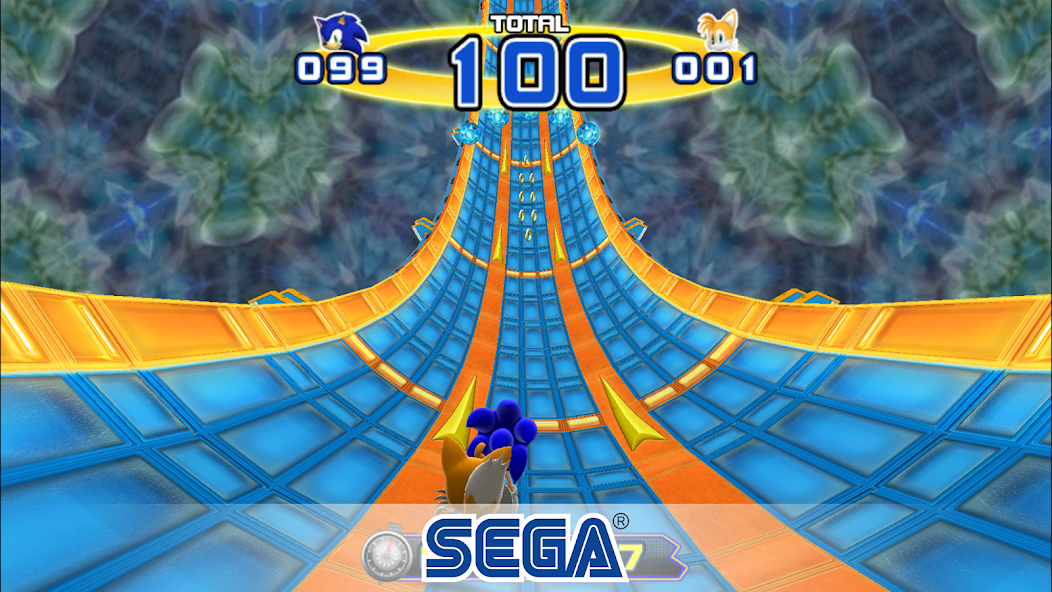
What is Sonic The Hedgehog 4 Ep. II Games?
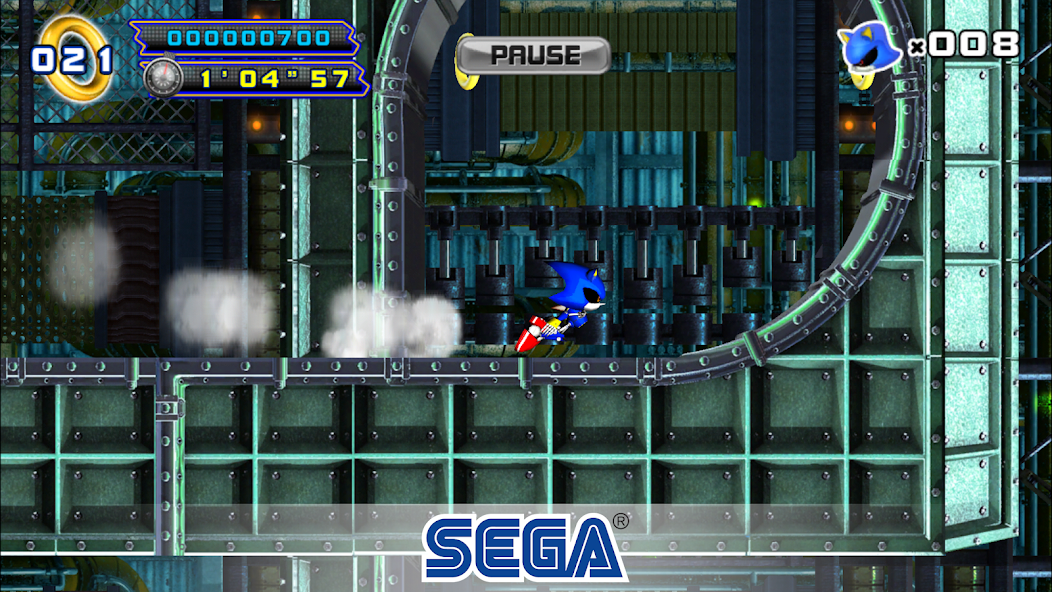
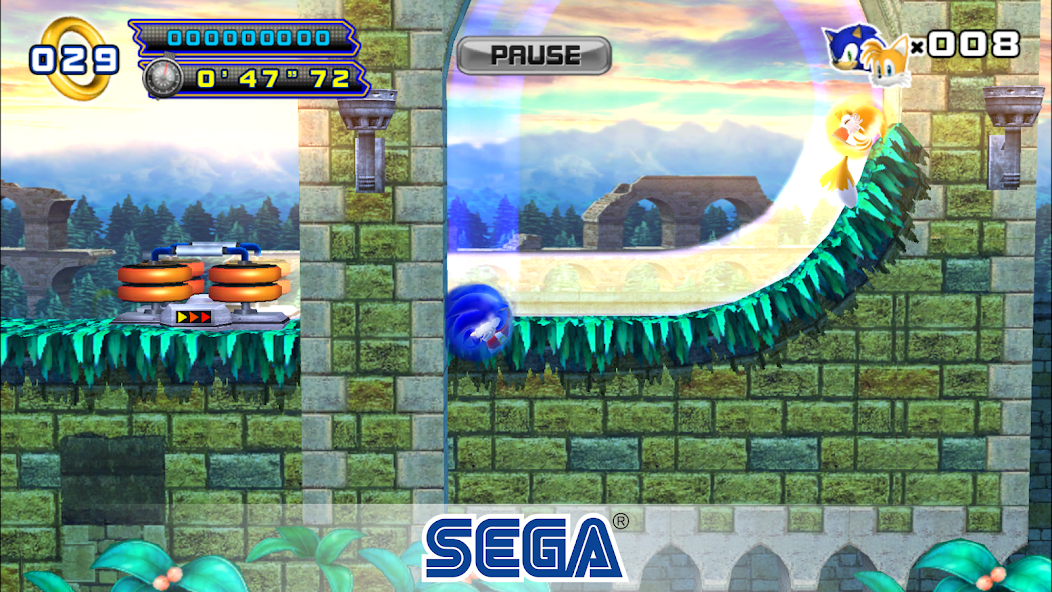
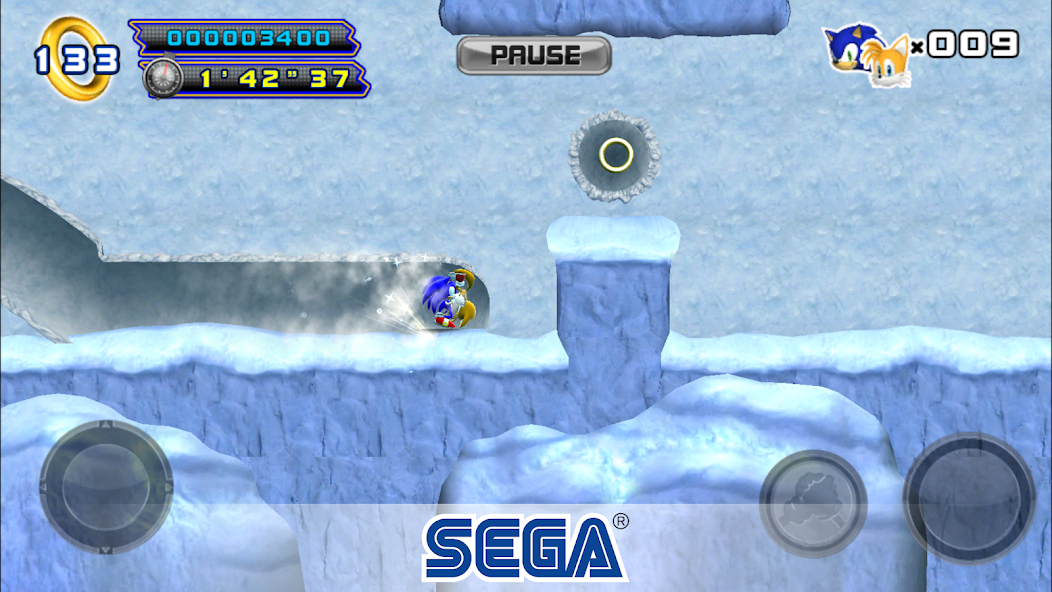
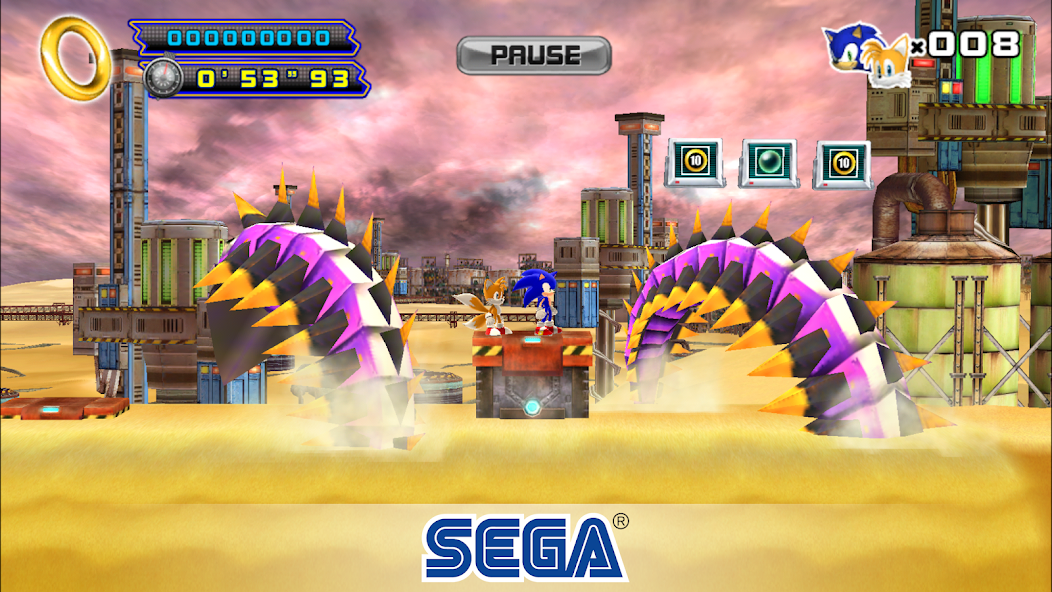
Sonic the Hedgehog 4 Episode II is a 2012 2D side-scrolling platformer conceived as a direct continuation of the classic Genesis-era Sonic storyline. The title resurrects speedy, momentum-driven movement and traditional ring mechanics while introducing cooperative play and expanded character interactions. Players control Sonic with assistance from Tails during significant segments, changing how obstacles and puzzles can be approached. The design intentionally blends old-school level concepts—loops, springs, rails—with modern production values, producing stages that echo familiar zones yet offer fresh layouts and new hazards. Episode II builds on its predecessor by refining movement, enhancing homing attacks, and providing additional playable content that attempts to preserve the sense of momentum central to early entries. Visual direction mixes pixel-inspired sprites with higher-resolution effects, particle systems, and layered backgrounds to create depth without abandoning the franchise’s iconic silhouettes. Music and sound design lean on remixed motifs alongside original compositions, aiming to match tempo with action and reinforce urgency during chase sections and boss encounters. Narrative elements are conveyed through short cutscenes that provide context without heavily interrupting gameplay flow. The physics engine seeks to evoke the feel of the original titles by focusing on inertia and acceleration, though responses to its accuracy varied among players and critics. Ultimately, Episode II stands as a deliberate effort to bridge generational tastes: it honors nostalgic signatures while experimenting with cooperative mechanics and modern technical considerations. Its legacy is informed by conversations about pacing, control feel, and the balance between homage and innovation, making it a notable chapter in the franchise’s evolution.
Gameplay in Sonic the Hedgehog 4 Episode II emphasizes speed, precise platforming and mastering momentum-based traversal. Players accelerate through loops, slopes, rails and springs while managing rings that act as both score and survivability resources. The physics model centers on inertia, letting momentum carry Sonic through long runs and extended jumps, which demands players learn how velocity affects jump arcs and collision tolerances. Episode II refines the homing attack and air control introduced in modern Sonic designs, and it integrates Tails as an active cooperative partner whose hovering, carrying and interaction abilities open alternate pathways. Some segments require switching focus or coordinating both characters to operate switches, reach high platforms, or solve simple cooperative puzzles. Level design balances linear speed routes with branching secrets that reward exploration, allowing skilled players to shave time while discovery-minded players hunt hidden areas. Environmental hazards, enemy placement and moving platforms establish rhythm and create tension that alternates with adrenaline-fueled dashes. Boss fights typically span multiple phases, testing pattern recognition and precise movement rather than merely raw speed. Collectibles such as rings and special ring challenges add longevity and secondary goals beyond mere stage completion. Time trial and score modes encourage route optimization and mastery of boost windows and aerial chaining techniques. Checkpoint and life systems echo classic entries, giving a measured challenge without abrupt frustration. While many praised the approach, some noted occasional inconsistencies in collision detection or control responsiveness during high-speed sequences. Mastering momentum often requires learning stage quirks, boost windows, homing attack timing, and subtle ring conservation to survive high-speed runs effectively.
The audiovisual presentation of Sonic the Hedgehog 4 Episode II combines retro influences with contemporary production touches to create a hybrid aesthetic. Character sprites preserve classic silhouettes while receiving increased frame detail and smoother animation for expressive movement and readable actions at speed. Backgrounds utilize layered parallax scrolling, dynamic lighting touches and particle effects to give zones dimensionality and motion depth without obscuring gameplay clarity. Color palettes deliberately recall Genesis-era tones but expand environmental detail to satisfy modern expectations for richness and variety. The soundtrack blends remixed, recognizable themes with new compositions crafted to match the pacing of each stage; arrangements often fuse electronic elements with orchestral or synthesized accents to heighten momentum. Sound effects emphasize clarity—rings, jumps, rolls and homing attacks each have distinct cues that reinforce player feedback. Voice samples are used sparingly, providing short character calls that inject personality without overwhelming the action. Cutscenes favor concise animated panels that convey story beats while preserving the primary focus on gameplay. Menus and interface elements aim for straightforward navigation and quick access to modes, helping players jump into stages without delay. Graphical fidelity varied slightly across platforms, but the core artistic direction remained consistent: honor the past while applying polish. The soundtrack received recognition for balancing nostalgia with fresh ideas that fit modern tastes. Visual cues and audio timing play an essential role in guiding split-second decisions and creating a sensation of speed. Artistic direction pays homage to the series’ roots through careful reinterpretation of iconic set pieces. Players often remark that timing audiovisual hooks with movement enhances their perception of speed and flow.
Development of Episode II involved collaboration between legacy franchise contributors and newer teams aiming to craft a canonical sequel with contemporary sensibilities. The production emphasized reconciling classic physics-based movement with refinements necessary for modern hardware and audiences, devoting resources to tuning acceleration, collision responses and cooperative interactions involving Tails. On release, critical and fan reception was mixed: many applauded stage variety, musical arrangements and the novel cooperative mechanics, while others highlighted perceived inconsistencies in control feel and platform-specific compromises. Specific critiques often focused on whether the physics engine perfectly matched the tactile precision of the original 16-bit titles, with some players reporting moments of imprecise collision detection at high velocity. Developers responded with post-launch adjustments intended to refine balance, enemy behavior and certain edge-case interactions, and the community engaged heavily in discussing optimal strategies, speedrun routes and subtle techniques that emerged after release. Speedrunners and content creators analyzed glitch potential and sequence breaks, turning intimate level knowledge into competitive runs and discovery-driven videos. Scholarly and design-minded commentators used Episode II as a case study for the challenges of translating legacy mechanics to modern control schemes and expectations. Debates often centered on authenticity: should a faithful revival replicate original physics identically, or preserve the spirit while adapting to newer design norms? Over time, conversation around the game matured as communities emphasized its strengths and accepted inevitable compromises. The experience underscores the difficulties developers face when honoring nostalgia while attempting innovation, and Episode II remains a frequently cited example in those discussions. Collectors still revisit Episode II to study its role bridging retro mechanics and contemporary expectations today.
The legacy of Sonic the Hedgehog 4 Episode II is rooted in its dual identity as both homage and experiment within a storied franchise. For many observers it represents an earnest effort to continue a beloved lineage while testing how cooperative mechanics and modern presentation could coexist with classic speed-run platforming. The title influenced conversations about revival strategies: how to balance precise, tactile momentum with accessibility for new audiences. Modding communities and hobbyist designers dissected its level geometry and systems, producing custom stages, physics tweaks and documentation that extended the game’s lifespan beyond its initial release. Speedrunning enthusiasts continue to explore its distinct mechanics, exploiting sequence breaks and tightly optimized routes that turn level familiarity into competitive mastery. Academic and design circles referenced Episode II when analyzing translation of 16-bit feel to contemporary control paradigms and when debating the priorities of authenticity versus playability. The cooperative focus—though divisive—sparked interest in asymmetric design approaches in platformers, prompting other developers to rethink teamwork in traditionally single-player formats. Physical and digital soundtrack releases, along with collector attention, helped maintain visibility among nostalgic audiences. Retrospectives often portray Episode II as a learning point, highlighting both its successes in evoking atmosphere and its compromises where expectations diverged. For newcomers the game can be an accessible introduction to classic-style Sonic mechanics with modern trappings; for veterans it provokes reflection on the precise interplay of speed, control and level design that produced the franchise’s most celebrated moments. Whether seen as a triumph or a missed opportunity, Episode II remains a meaningful chapter, continually revisited by players and designers extracting lessons to inform future retro-inspired projects. Those insights continue to influence independent developers seeking to recapture classic gaming sensations for modern audiences worldwide.
How to Get Started with Sonic The Hedgehog 4 Ep. II?
- 1. Choose your platform: Sonic The Hedgehog 4 Episode II is available on multiple platforms, including PC, Xbox Live Arcade, PlayStation Network, iOS, and Android.
- 2. Purchase and install: Buy the game from your preferred online store or platform's marketplace and install it on your device.
- 3. Familiarize with controls: Check the control scheme for your platform. For most consoles, use the D-pad for movement, and buttons for jumping and actions.
- 4. Start the game: Launch the game and select the "Start" option from the main menu.
- 5. Play through the tutorial: Follow any introductory levels or tutorials to learn the game mechanics, including Sonic’s abilities and new features like Tails’ flying ability.
- 6. Explore levels: Progress through the levels, collecting rings and avoiding enemies. Use speed and platforming skills to navigate through each stage.
- 7. Utilize power-ups: Collect power-ups that enhance abilities, provide shields, or give extra lives.
- 8. Team up with Tails: Use Tails strategically to reach higher areas or perform team moves.
- 9. Focus on bosses: Prepare for each zone's boss battles. Learn their attack patterns and use Sonic and Tails effectively to defeat them.
- 10. Replay levels: Experiment with different routes, find hidden items, and aim for higher ranks by replaying levels.
- 11. Check online features: If online play is available, consider exploring multiplayer options or leaderboards.
- 12. Enjoy the soundtrack: Take notice of the game’s music, which has become a significant part of the experience.
- 13. Share your experience: Engage with the Sonic community through forums or social media to share tips and experiences.
10 Pro Tips for Sonic The Hedgehog 4 Ep. II Users
- 1. Master the Spin Dash: Use the Spin Dash technique to build up speed quickly, allowing you to break through obstacles and reach high platforms efficiently.
- 2. Utilize Tails’ Abilities: In co-op mode, leverage Tails’ flying and swimming abilities to navigate tricky sections and help Sonic reach otherwise inaccessible areas.
- 3. Experiment with Team Moves: Combine Sonic and Tails’ abilities for unique team moves, such as the Tails’ Tornado, to defeat enemies and traverse levels more effectively.
- 4. Collect Red Star Rings: Prioritize collecting Red Star Rings to unlock bonus content and special stages, which can enhance your gameplay experience.
- 5. Pay Attention to Level Design: Each level contains hidden paths and shortcuts. Explore thoroughly to find rings and power-ups that can help you in tougher sections.
- 6. Use Boost Wisely: Save your boost for crucial moments, such as avoiding hazards or speeding past enemies, to maximize its effectiveness during challenging sections.
- 7. Time Your Jumps: Learn enemy patterns and time your jumps carefully to avoid damage and maintain your speed, essential for speedrunners.
- 8. Keep Your Rings: Try to hold onto as many rings as possible for extra lives and to protect yourself from enemy encounters.
- 9. Master Boss Battles: Each boss has specific attack patterns. Study them and find the right moments to strike while avoiding damage.
- 10. Replay Levels for High Scores: After completing a level, replay it to improve your score and time, aiming to collect more rings and achieve a better rank.
The Best Hidden Features in Sonic The Hedgehog 4 Ep. II
- **Secret Rings**: Throughout the levels, players can find hidden rings that unlock special actions or provide bonus points.
- **Character Unlocks**: Completing certain challenges or finding collectibles can unlock additional characters to play with, each offering unique abilities.
- **Hidden Level Paths**: Some levels contain alternate routes that lead to secret areas with extra rings or power-ups.
- **Boss Battles**: Unique boss encounters can be triggered by meeting specific conditions, offering different strategies for defeating them.
- **Chao Gardens**: Although not as prominent as in previous titles, there are references to Chao and hints of mini-games related to them.
- **Achievements & Challenges**: Completing hidden challenges can lead to achievements that unlock special titles or in-game rewards.
- **Dynamic Environments**: Certain areas may change based on the player's actions, revealing hidden passages or altering enemy placements.
Sonic The Hedgehog 4 Ep. II Faqs
What are the main gameplay mechanics in Sonic The Hedgehog 4 Ep. II?
The game features classic side-scrolling platform mechanics, including running, jumping, and spin-dashing. Players can control Sonic and Tails, utilizing their unique abilities to overcome obstacles and defeat enemies throughout various themed levels.
How can I perform the Spin Dash move?
To perform the Spin Dash, press and hold the down button while standing still, then release to launch Sonic forward. Timing and positioning are crucial for hitting enemies and accelerating through sections of the level.
What is the purpose of collecting rings in the game?
Collecting rings serves multiple purposes; they provide protection against enemy hits, serve as a scoring mechanism, and grant access to bonus stages. If Sonic is hit without rings, he loses a life, making rings essential for survival.
How do I unlock new abilities for Sonic and Tails?
To unlock new abilities, players must progress through the game by completing levels and defeating bosses. Certain abilities are tied to the storyline and are automatically unlocked as players advance, enhancing gameplay options.
What are the steps to access multiplayer mode?
To access multiplayer mode, follow these steps: 1. Start the game. 2. Navigate to the main menu. 3. Select the Multiplayer option. 4. Choose either local or online multiplayer, depending on your preference.


 HappyMod