What is The Battle of Polytopia Games?
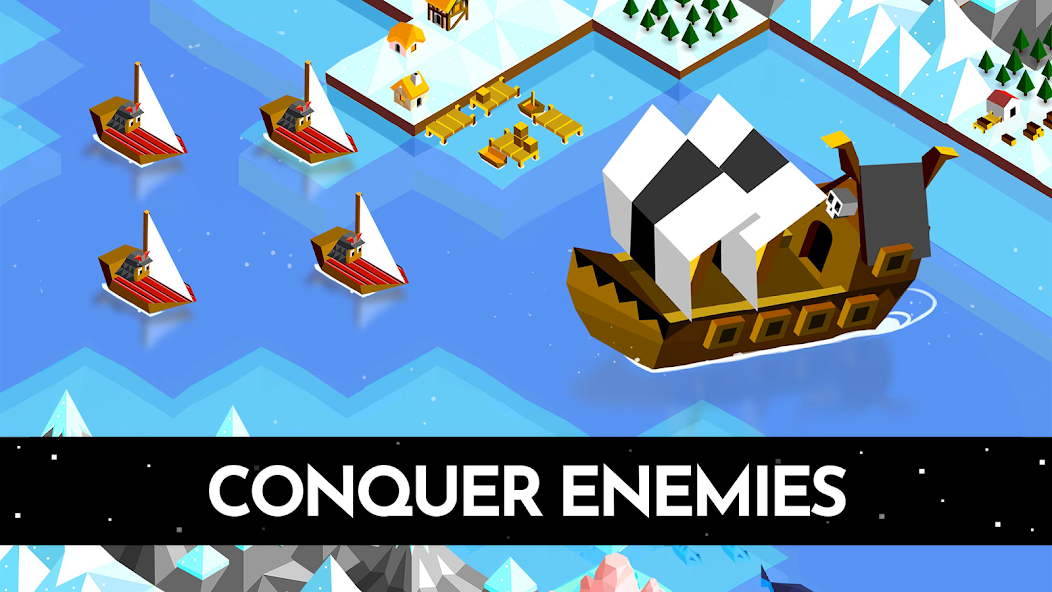
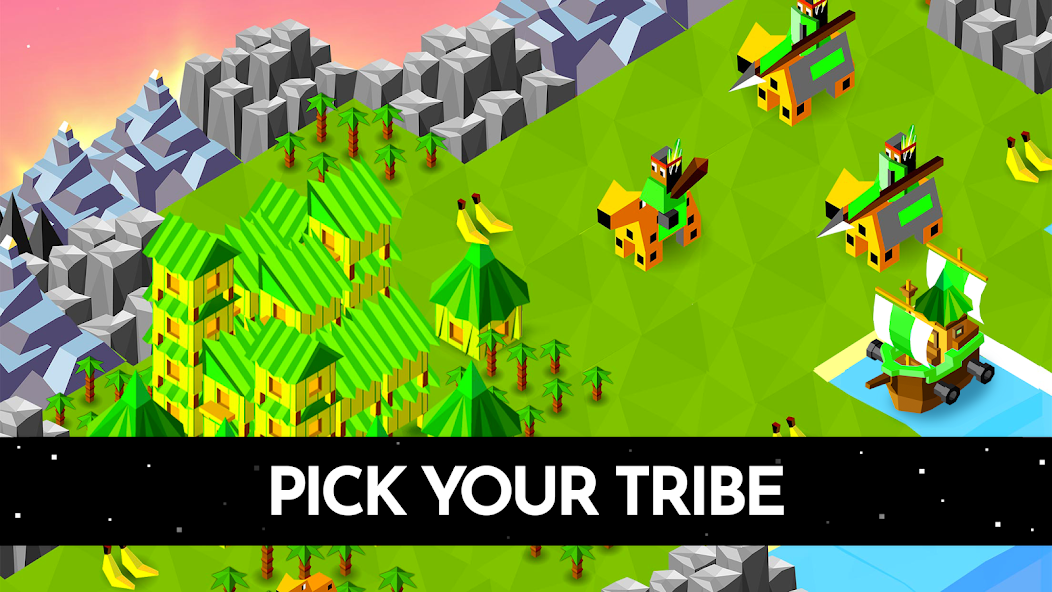
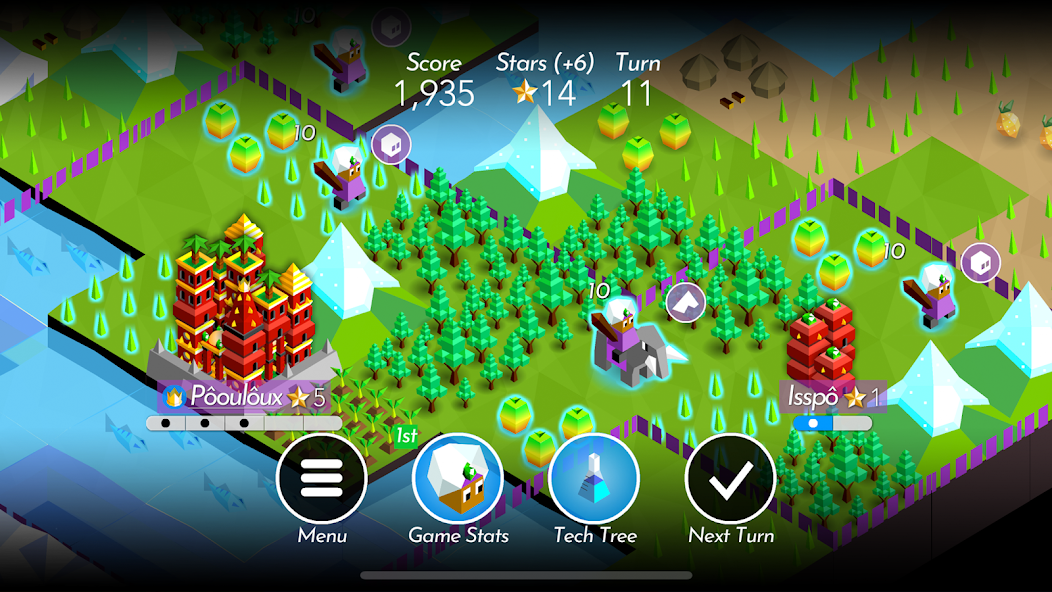
The Battle of Polytopia is a compact, turn-based strategy game that condenses classic 4X elements into short, focused matches. Players control a tribe of stylized low-poly civilizations, beginning with a single city and a handful of units, and pursue one of several possible victory conditions by exploring terrain, expanding cities, researching technologies, and engaging opponents. Matches typically play out on procedurally generated square grids with varied biomes — forests, mountains, deserts, oceans — each affecting movement, resources, and strategic options. The technology tree is deliberately streamlined: a few dozen technologies unlock improvements to economy, warfare, and mobility, which forces players to choose meaningful tradeoffs rather than grind toward an endless list of upgrades. Cities generate stars that act as both currency and strategic engine, fueling unit production, city upgrades, and research choices. Units are diverse but not overwhelming; infantry, riders, archers, naval vessels, and more specialized types interact in a rock-paper-scissors fashion that rewards thoughtful positioning and combined arms play. The interface emphasizes clarity: production queues, movement ranges, combat projections, and city yields are visible in concise panels so players can plan multi-turn strategies without wading through excessive menus. Single-player modes include sandbox games against AI with configurable difficulty and maps, while multiplayer supports hotseat and asynchronous matches where turn pacing can match players' schedules. Short-match options produce tense, tactical contests that can conclude in twenty to forty minutes, which makes Polytopia well suited to portable play and brief competitive sessions. Despite its compact size, the game maintains surprising depth through emergent interactions between terrain, tribe-specific abilities, and limited but potent technology choices. This combination of accessibility and strategic richness has made the title appealing to both newcomers to strategy games and experienced veterans seeking quick, satisfying matches that still reward long-term skill development.
At its core, The Battle of Polytopia is about making a sequence of efficient, context-sensitive choices each turn. Economic management is simple but consequential: capturing villages and building city improvements yields stars, and those stars must be allocated between research, unit production, or city expansion. The research path determines the macro capabilities of a civilization — unlocking sailing to reach islands, horseback to traverse plains quickly, or navigation to field fleets — and picking the right sequence in response to map features and enemy behavior is a major strategic lever. Combat emphasizes maneuver over raw statistics. A unit supported by a fortified city or positioned on favorable terrain gains clear advantages; flanking and combining ranged attacks with melee charges turn the tide more often than merely amassing numbers. Fog of war and scouting play important roles: even modest information advantages can enable successful raids on exposed cities or deny an opponent key expansion opportunities. Different tribes bring asymmetry through starting techs or unique aesthetics, nudging players toward different opening plans and midgame strategies. The relatively small map sizes and limited tech breadth encourage aggressive play and risk-reward calculations; defensive turtling is less viable than in many large-scale 4X games because the star economy rewards active expansion. Multiplayer matches incentivize adaptive thinking, as opponents may exploit predictable openings or contest scarce resources. Advanced play centers on timing research spikes, optimizing city specialization, and orchestrating combined operations across land and sea. Replayability emerges from the combinatorial variety of map layouts, tribe matchups, and the meta of evolving strategies as players learn which approaches succeed against different opponents and map archetypes.
Polytopia’s aesthetic design is a defining feature that contributes directly to its playability. The low-poly, jewel-toned art style communicates information quickly: tiles, units, cities, and resource nodes are visually distinct, helping players assess complex board states at a glance. Icons are minimalist but expressive, and the color palettes for different tribes and biomes reduce visual clutter while maintaining a lively, playful atmosphere. Animations are economical; unit movement and combat flashes convey action without interrupting flow, keeping matches brisk. The user interface adheres to the same minimalist sensibility, presenting research options, city upgrades, and combat outcomes in compact overlays that are easy to read on small screens or larger monitors. Audio design complements visuals with short, evocative musical loops and concise sound cues for events like battles, city development, or research completions, adding feedback without becoming intrusive. Accessibility considerations are evident in readable fonts, clear contrast, and straightforward control schemes that rely on tap-and-drag or click interactions, minimizing the learning curve for new players. The control model scales between quick, touch-based moves for handheld sessions and more deliberate mouse-driven play for longer desktop matches. For players who appreciate tidy, well-considered interfaces, Polytopia’s combination of visual clarity and streamlined interactions lets strategic thinking remain central rather than being obscured by complex menus or micromanagement. This design philosophy also makes the game approachable for educational contexts or casual play, because the learning path focuses on graspable mechanics and visible cause-and-effect rather than opaque systems.
Community and social dynamics have contributed to Polytopia’s longevity beyond the base gameplay loop. Enthusiastic players create strategy guides, tribe tier lists, and replay analyses that help newcomers learn opening principles, terrain tactics, and effective unit combos. Multiplayer matchmaking supports competitive play where players refine timing and map control, and community-run tournaments or friendly leagues give structure to higher-skill play. As tactics evolve, so do meta discussions: which tribes offer the most robust openings on certain map types, how to balance naval investments versus land expansion, and which tech paths best counter common strategies. Streaming and video content further popularize inventive strategies and memorable games, offering viewers a way to absorb nuanced decision-making at a comfortable pace. Fan art, theorycrafting posts, and shared custom scenarios keep social engagement active, and community feedback often surfaces ideas that enrich how players approach the game. Cooperative and asynchronous modes enable casual play among friends or distant competitors, making matches socially flexible. Because each match compresses significant strategic choices into a relatively short time frame, replays and recordings serve as valuable learning tools; players can dissect turns, note missed opportunities, and iterate on alternate plans. This iterative, social learning cycle fosters a culture where skill improvement is visible and accessible, encouraging both competitive ecosystems and casual groups who enjoy shared sessions. The result is a community that feels invested in the game’s depth while welcoming to newcomers who want to learn by watching, reading, or playing alongside more experienced peers.
From a business and longevity perspective, The Battle of Polytopia demonstrates how a focused design can sustain player interest over years. The core mechanics are compact enough to be approachable yet layered enough to support ongoing exploration of strategy. Monetization strategies commonly observed in similar games are implemented in ways that prioritize optional content and cosmetic variety rather than gating core competitive balance; additional tribes or aesthetic packs broaden choices without fundamentally altering the strategic foundations available to all players. Regular updates that refine balance, expand tribe options, or introduce fresh map types keep the experience evolving while preserving the familiar decision space that players return to. Because match lengths are short and setup is quick, the game fits varied play patterns — a single decisive match during a commute or a tournament-style evening with multiple rounds. Educationally, the title lends itself to lessons in planning, resource allocation, and tactical reasoning; teachers or parents can use short matches to illustrate cause-and-effect and long-term tradeoffs in an engaging, low-friction environment. The combination of repeatable, bite-sized matches and deeper emergent strategic content encourages a steady return pattern from casual players and long-term engagement from dedicated competitors. Over time, player-driven content, evolving strategies, and developer refinements interact to maintain relevance, demonstrating that careful attention to balance, clarity, and meaningful choices can create a sustainable strategy title that rewards both quick sessions and committed strategic practice.
How to Get Started with The Battle of Polytopia?
- 1. Download and Install
- - Find The Battle of Polytopia in app stores (iOS, Android) or on PC.
- 2. Choose Your Tribe
- - Start a new game and select a tribe, each with unique traits and advantages.
- 3. Learn the Basics
- - Familiarize yourself with game mechanics: movement, combat, and resource management.
- 4. Explore the Map
- - Discover terrain, gather resources, capture cities, and uncover the fog of war.
- 5. Develop Your Civilization
- - Research technologies to enhance your capabilities (e.g., farming, warfare).
- 6. Expand Your Territory
- - Capture enemy cities and expand your empire strategically.
- 7. Engage in Combat
- - Use your units wisely, considering strengths and weaknesses against opponents.
- 8. Set Goals
- - Aim for victory conditions: domination, score-based, or other objectives.
- 9. Practice and Experiment
- - Try different tribes and strategies to improve your gameplay.
- 10. Join the Community
- - Engage with other players for tips, strategies, and updates.
10 Pro Tips for The Battle of Polytopia Users
- 1. **Choose the Right Tribe**: Each tribe has unique advantages. Pick one that complements your playstyle, whether you prefer aggressive expansion or a more defensive strategy.
- 2. **Early Game Expansion**: Focus on capturing as many villages as possible in the early game to increase your resource income and provide a strong economic foundation.
- 3. **Upgrade Your Units**: Prioritize upgrading your units strategically. Stronger units can turn the tide in battles, so invest in unit upgrades that suit your combat strategy.
- 4. **Utilize Terrain**: Take advantage of terrain features. Use mountains for defensive bonuses, forests for ambushes, and water for strategic movement.
- 5. **Research Smartly**: Choose tech upgrades that will help your immediate strategy. If you’re in a defensive position, prioritize units or technology that enhances your defenses.
- 6. **Scout Early and Often**: Use scouts to reveal the map and identify enemy positions. Knowing your opponent's movements allows for better planning and ambush opportunities.
- 7. **Balance Offense and Defense**: While it's tempting to go all-out on offense, maintaining a solid defense is crucial. Balance your resources between building aggressive units and defenses.
- 8. **Watch Enemy Moves**: Keep an eye on enemy troop movements and adapt your strategy. Predicting their actions can provide a tactical edge.
- 9. **Use Diplomacy Wisely**: If you're playing multiplayer, leverage diplomatic relations. Forming temporary alliances can be beneficial against stronger opponents.
- 10. **Experiment with Different Strategies**: Don't stick to a single approach. Experimenting with various strategies, including different tribes and unit combinations, can lead to surprising victories.
The Best Hidden Features in The Battle of Polytopia
- **Customizable Tribes:** Players can create unique tribes by modifying existing ones, allowing for personalized strategies and playstyles.
- **Tech Tree Exploration:** Some technologies can yield hidden benefits, such as unlocking special units or abilities not immediately apparent.
- **Strategic Terrain Advantages:** Certain terrains grant hidden advantages, like increased movement or defense, which can turn the tide of battle.
- **Resource Management Tricks:** Utilizing resources effectively can lead to advantages in unit development before the opponent realizes your strategy.
- **Unit Synergies:** Combining different unit types can produce unique effects in battle, optimizing resource use and maximizing combat efficiency.
- **Fog of War Mechanics:** Players can strategically hide units in fog areas to ambush opponents, creating opportunities for surprise attacks.
- **AI Behavior Manipulation:** Understanding AI tendencies can allow players to trick the enemy into making poor strategic choices.
- **Secret Achievements:** Certain gameplay milestones provide hidden achievements that unlock special rewards or unique capabilities.
- **Seasonal Events:** Limited-time events can introduce new mechanics or challenges that are not part of the standard gameplay.
- **Unit Iconography:** Icons can hint at unit strengths and weaknesses, aiding players in making strategic decisions without direct tutorials.
The Battle of Polytopia Faqs
How do I choose my tribe at the beginning of the game?
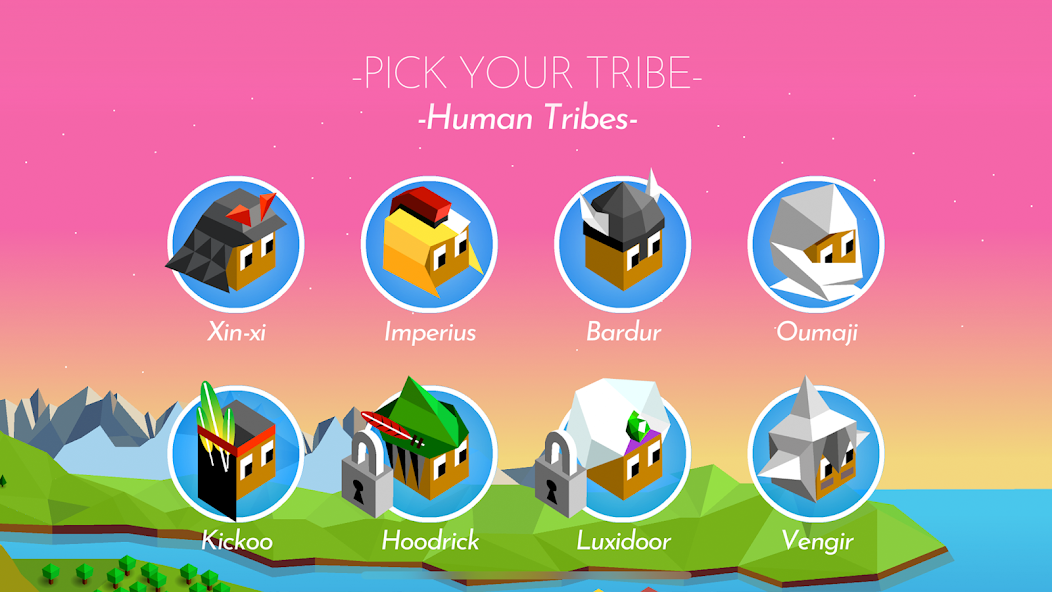
At the start of a game in The Battle of Polytopia, you can select from various tribes. Each tribe has unique abilities and starting technologies. Simply tap on the tribe you wish to play as, then confirm your selection to begin the game.
What is the goal of the game?
The main objective in The Battle of Polytopia is to dominate other tribes by conquering their territories. You can achieve this by strategically expanding your empire, managing resources, and engaging in battles against rival tribes.
How can I improve my tribe's technology?
To improve your tribe's technology, gather stars by completing turns and performing actions like conquering cities or exploring. Use the stars to unlock new technologies from your tech tree, enhancing your tribe's capabilities and units.
What are the strategic tips for winning battles?
Winning battles requires careful planning. Position your units advantageously, utilize terrain features for defense, and attack weaker enemy units first. Always keep an eye on your resources and expand your territory to increase your star production.
How can I expand my territory effectively?
To expand your territory in The Battle of Polytopia, follow these steps: 1. Build new cities in unoccupied areas. 2. Use your units to explore and reveal the map. 3. Conquer enemy cities using strategic attacks. 4. Develop your cities to increase star production.


 HappyMod