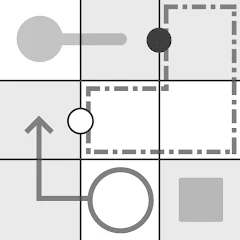
What is A Dance of Fire and Ice Games?
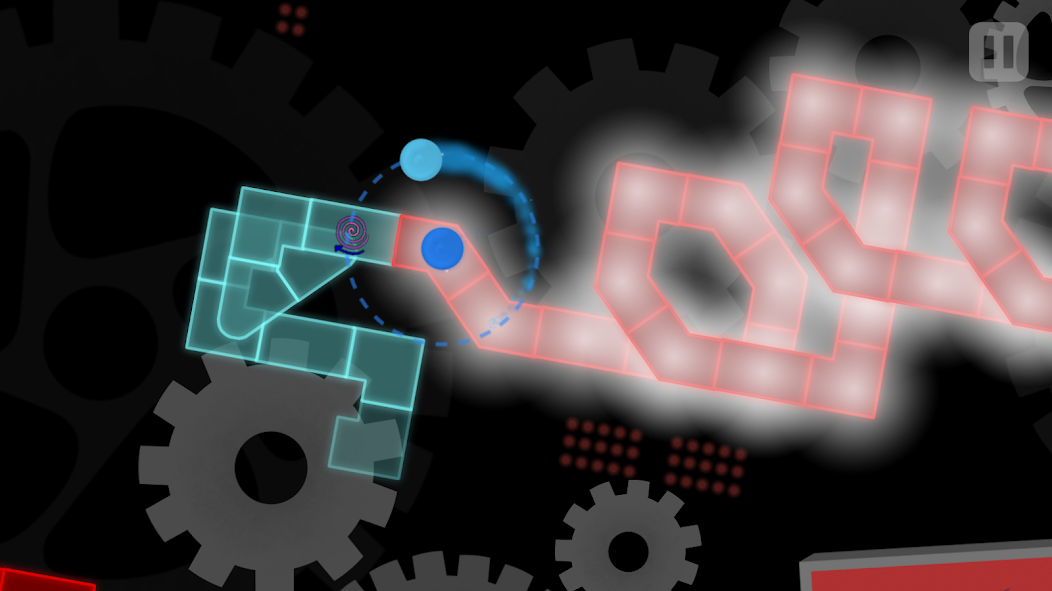
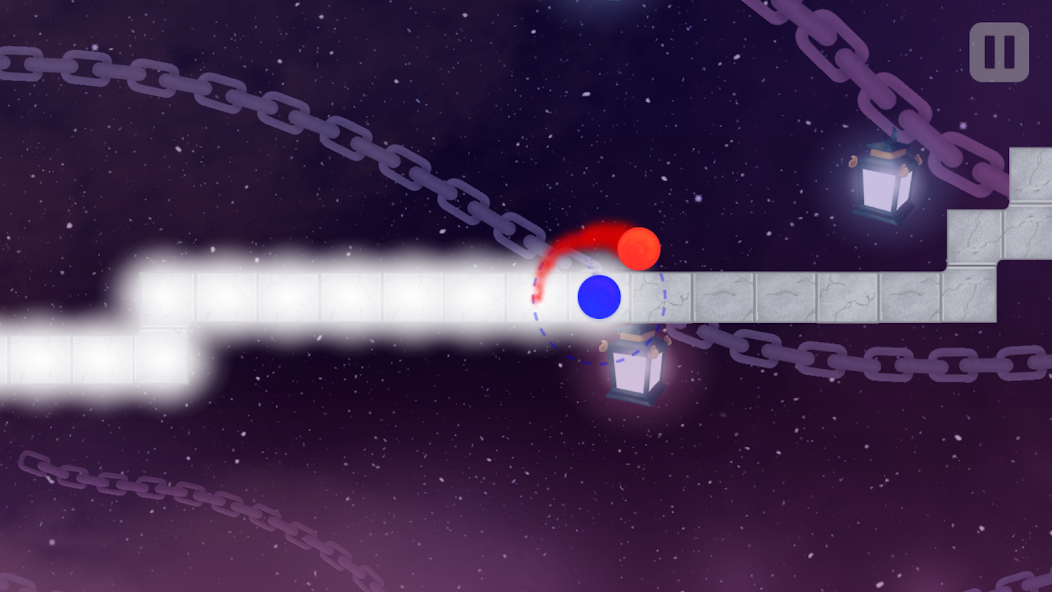
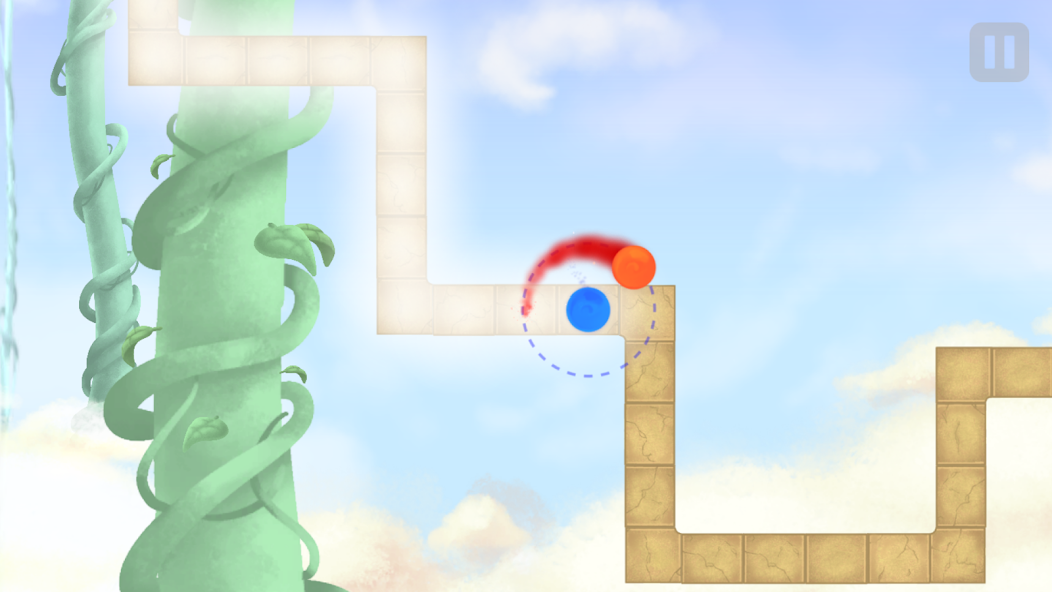
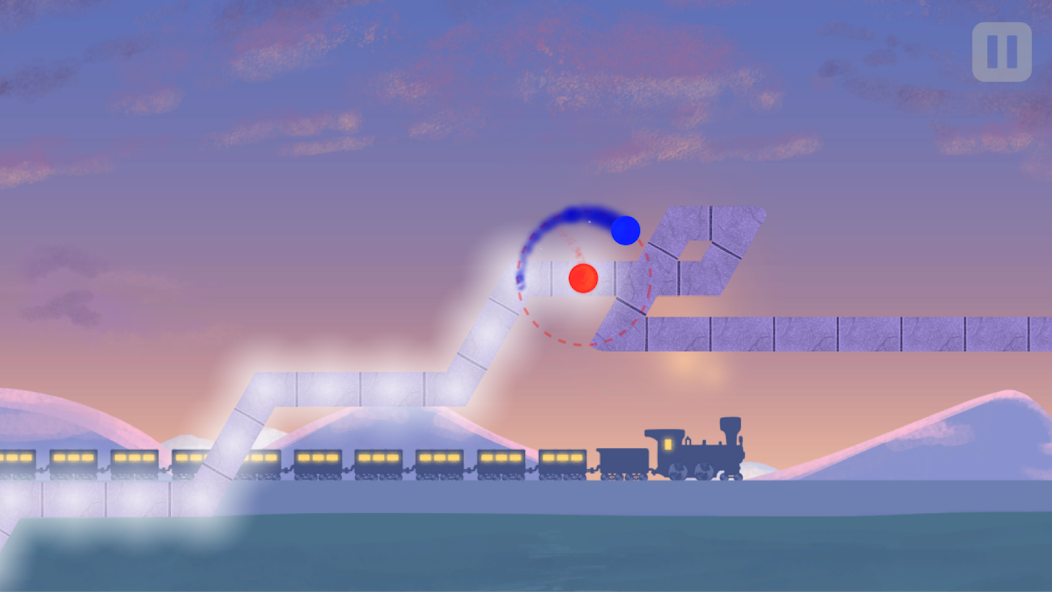
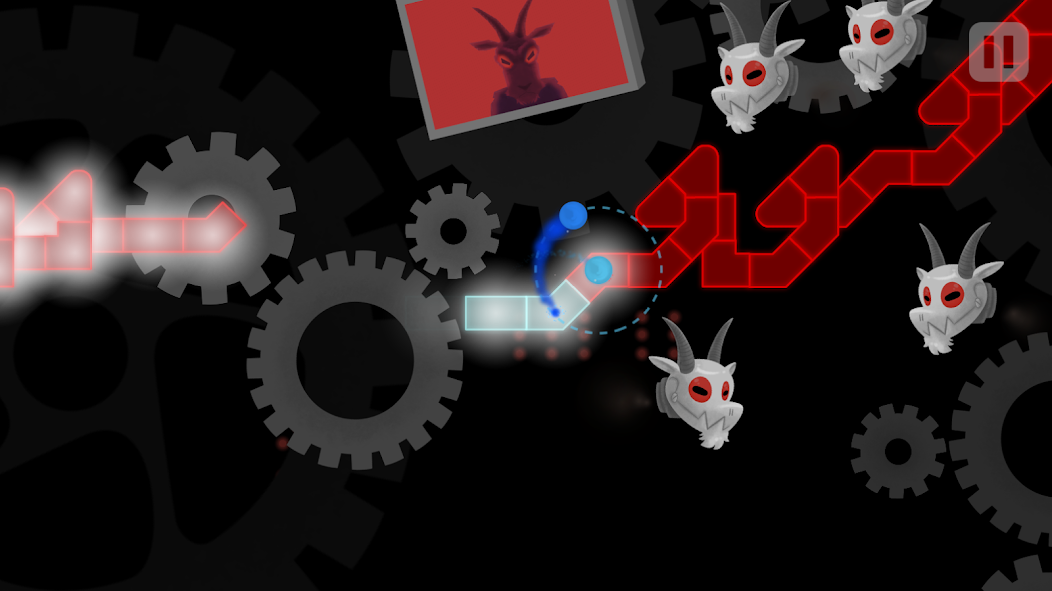
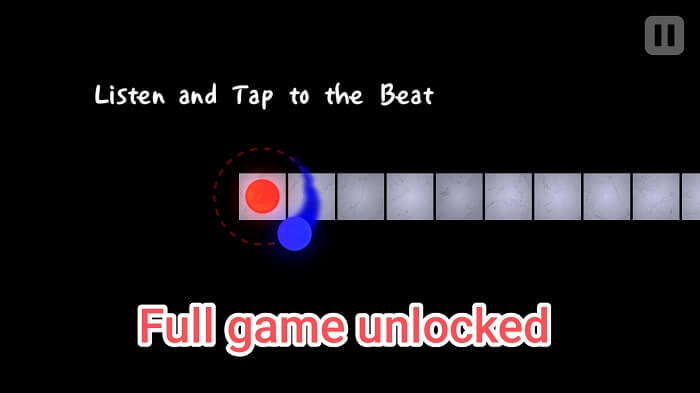
A Dance of Fire and Ice is a minimalist rhythm game built around a simple but demanding mechanic. Players control two orbiting dots that move along a circular path, and must time single-button taps to change direction at precise rhythmic points. Unlike many rhythm titles that display lanes or falling notes, this game reduces inputs to their purest form: one beat, one tap. The musical tracks are diverse in tempo and style, and the level design translates sonic accents into angular turns and curves that test both timing and pattern recognition. Visuals are intentionally spare: clean geometric shapes, bold color contrasts, and smooth motion that emphasizes rhythm rather than flashy effects. That restraint allows concentration on the tactile satisfaction of hitting beats, and it makes the core challenge immediately understandable while offering deep mastery for dedicated players. Difficulty ramps through clever level architecture rather than arbitrary increases in note density; sudden tempo shifts, offset rhythms, and unusual time signatures force players to reorient their internal sense of timing. A notable feature is the interplay between auditory and visual cues — sometimes the sound leads the motion, sometimes the animation suggests a beat slightly before the audio — encouraging players to synchronize their senses. The game rewards practice and memorization as much as raw reflexes, because many sequences rely on pattern recall. A Dance of Fire and Ice also supports speedrunning and score-chasing through tight, consistent controls and a scoring system that prizes precision. Accessibility options include adjustable input windows and visual aids that help newcomers learn the mechanic without diluting higher-level play. Overall, the game offers a pure, focused rhythm experience that distills musical timing into an elegant and often punishing challenge for players who enjoy mastery and rhythmic precision. Its short levels conceal surprising difficulty spikes repeatedly often rewarding.
The aesthetic and sound design of A Dance of Fire and Ice play central roles in shaping the player's emotional engagement. Visual language is economical: monochrome and high-contrast palettes punctuated by vivid colors that mark progress or denote hazard. Animations are fluid, using motion to communicate rhythm rather than relying on text or explicit prompts. This minimalism reduces cognitive clutter so the player's attention stays on timing and sensation. Music ranges from driving electronic beats to atmospheric ambient pieces, each composition tightly integrated with level geometry so that melodies and percussive hits map to the corridor of motion the dots traverse. Sound design emphasizes transient cues — crisp clicks, swells, and percussive accents — that assist in microtiming without becoming intrusive. The game's UI and feedback loops are likewise lean: clear success and failure states, immediate auditory confirmation on perfect timing, and subtle visual flourishes for combos and streaks. These choices create feedback that feels kinetic and rewarding. The developer's approach appears influenced by classic arcade rhythm mechanics and contemporary indie sensibilities, favoring purity of play over feature bloat. Community engagement has grown around custom levels, challenge videos, and speedrunning, with players sharing strategies for particularly notorious sequences. Because the game's rule set is simple, community creativity often emerges in pattern memorization techniques, rhythmic counting systems, and frame-perfect demonstrations. Modding and level editors, where available, extend the lifespan of the title by inviting players to design brutal or artful stages that test both musicality and dexterity. Competitive elements are subtle but potent: leaderboards and ghost replays allow comparison without forcing direct multiplayer confrontation. Altogether, the art and audio are not mere decoration but are integral to gameplay. Every pixel and beat is chosen to serve timing, and that restraint transforms modest visuals and concise soundscapes into a cohesive, intense rhythm experience.
Difficulty and learning curve define much of A Dance of Fire and Ice's appeal. The game opens with deceptively straightforward sequences but quickly introduces tempo changes and irregular patterns that punish complacency. Early levels teach the fundamental tap-on-beat mechanic, while intermediate stages layer in syncopation, alternating pulse widths, and asymmetric patterns that require players to internalize the rhythm rather than simply react. Players commonly progress through stages by developing consistent microtiming — the ability to place taps within narrow windows around the musical beat — and by learning to anticipate transitions before their audio cues arrive. Mistakes are instantly obvious, producing an abrupt visual and auditory reset that makes every failure a clear lesson. This design encourages iterative practice: short, repeatable runs let players focus on problematic segments until muscle memory takes over. For those seeking additional challenge, later stages often remove rhythmic anchors or introduce deceptive echoes that mask the beat, transforming familiar melodies into timing traps. The control responsiveness is a major factor; input latency is minimized in good implementations, which allows precise adjustments and frame-level accuracy. Successful players mix technical skill with strategic memorization, breaking long sequences into smaller motifs and mentally counting subdivisions where necessary. Warm-up routines — calming breathing, a brief hands-on practice on simpler tracks, and gradual tempo ramping — often improve accuracy in demanding sections. Competitive players sometimes analyze sections frame by frame, identifying exact hit windows to push for perfect sequences. Importantly, the game's economy of mechanics means improvement feels tangible and measurable: a narrow input window conquered yields immediate and satisfying progress. This progression model fosters both short-session play for casual enjoyment and focused practice for mastery, making the title appealing to a broad spectrum of rhythm enthusiasts who enjoy refinement, perseverance, and the satisfying click of a perfectly timed tap. Enjoyably.
Platform and control considerations have a pronounced effect on how A Dance of Fire and Ice feels across different devices. Since the core mechanic relies on precise timing and instantaneous feedback, input method matters more than graphical fidelity. On desktop platforms, keyboard or controller buttons offer crisp, low-latency inputs that many players prefer for high-level play; mapping, polling rates, and operating system input buffers can subtly influence feel, so small configuration tweaks sometimes yield measurable improvements. Touchscreen versions translate the single-button mechanic into taps and swipes, which feel natural for casual sessions but can introduce variability due to finger size, screen responsiveness, and touch latency. Gyroscopic or alternate input schemes, when supported, create experimental playstyles but rarely match the predictability of direct button presses. Performance is less about high frame rates and more about consistent frame pacing; dropped frames or stutter break the rhythm connection and make otherwise manageable patterns unexpectedly difficult. Graphical options that prioritize steady frame timing over fancy effects serve competitive players well. Accessibility features can significantly broaden appeal: adjustable timing windows, visual beat markers, and practice modes that loop short sections are invaluable for learners and players with motor control differences. Audio settings that allow volume balance between beats and music help players isolate rhythmic cues, while haptic feedback on capable hardware can enhance tactile timing. Session length also colors platform choice; short bursts fit handheld or mobile devices, while focused practice sessions are often more comfortable on PC with an ergonomic setup. Controller preference varies by player: some favor low-travel mechanical switches, others choose membranes for softer feedback. Ultimately, the platform shapes the tactile relationship between player and beat, and thoughtful choices about inputs, performance, and accessibility make the experience either delightfully precise or frustratingly slippery. Small ergonomic changes can notably improve long-term playability dramatically.
A Dance of Fire and Ice has attracted attention for offering a concentrated rhythm challenge that contrasts with more sprawling music titles. Critics and players often highlight its purity: a single, elegant mechanic explored with rigor and creativity across varied compositions. Compared to genre staples that layer multiple simultaneous inputs and elaborate visuals, this game pares down complexity to amplify the satisfaction of precise timing. Its bite-sized but demanding levels make it approachable as a casual diversion while also rewarding repetition for players who pursue mastery. Replayability stems from several sources: leaderboard competition, the intrinsic pleasure of chasing perfect streaks, and user-created content that injects fresh sequences once the base campaign is learned. Educationally, the title serves as an informal training tool for rhythm perception and timing accuracy; musicians and rhythm learners sometimes use short sequences as drills to improve internal metronome skills. Additionally, the game's design philosophies — emphasis on feedback loops, minimal UI, and tight control responsiveness — offer a case study in iterative, player-focused design for developers and designers. In community spaces, the game has fostered creativity, with players sharing challenge runs, tutorials, and remixed levels that emphasize extreme precision or artistic arrangement. Its aesthetic minimalism invites interpretation and remix rather than prescribing a single play identity, which helps the title fit into speedrunning, casual streaming, and study-oriented practice alike. For newcomers, the low barrier to start combined with a steep ceiling of skill provides a satisfying learning arc; for veterans, frame-perfect sequences and variant challenges maintain long-term engagement. Ultimately, the charm of A Dance of Fire and Ice lies in its clarity of purpose: by stripping rhythm gameplay to its essence, it delivers a focused experience that can be meditative, agonizing, and deeply rewarding depending on how a player chooses to engage. It remains highly influential.
How to Get Started with A Dance of Fire and Ice?
- 1. **Download the Game**: Purchase and download "A Dance of Fire and Ice" from a platform like Steam, itch.io, or the official website.
- 2. **Understand the Gameplay Mechanics**: Familiarize yourself with the basic controls. The game primarily involves controlling two orbs that must move in harmony.
- 3. **Start with Tutorials**: Complete the tutorial levels to grasp the rhythm and timing required to navigate through the game's mechanics.
- 4. **Practice Timing**: Focus on the rhythm of the music to improve your timing. Try to synchronize your movements with the beat.
- 5. **Progress Through Levels**: Begin with easy levels to build confidence, then gradually attempt harder challenges as your skills improve.
- 6. **Utilize Visual Cues**: Pay attention to visual indicators that signal when to move or change direction.
- 7. **Experiment with Different Songs**: Explore various tracks in the game. Different songs provide unique challenges and experiences.
- 8. **Replay Levels**: Don’t hesitate to replay levels to improve your score and master the timing.
- 9. **Engage with the Community**: Join forums or social media groups to share experiences, tips, and challenges with other players.
- 10. **Have Patience**: Expect to encounter difficulties. Progress may require practice and persistence. Enjoy the journey!
10 Pro Tips for A Dance of Fire and Ice Users
- 1. **Master the Rhythm**: Focus on the beat to sync your movements effectively. Timing is crucial for navigating through levels.
- 2. **Practice Levels Individually**: Spend time mastering one level at a time before moving on to the next. This will build your skills progressively.
- 3. **Use Visual Cues**: Pay attention to the visual elements of the level design. Often, colors and patterns indicate which direction to move.
- 4. **Stay Calm Under Pressure**: When faced with challenging segments, take a deep breath and keep your composure to avoid panicking.
- 5. **Experiment with Different Characters**: Each character may have unique mechanics that can help you navigate levels more effectively.
- 6. **Take Breaks**: If you’re stuck on a level, step away for a bit. A fresh perspective can help you see the solution more clearly.
- 7. **Watch Tutorials**: Look for online guides or video tutorials. Seeing how others tackle difficult levels can provide valuable insights.
- 8. **Track Your Progress**: Keep a record of your attempts on each level. This can help you identify patterns in your performance and areas for improvement.
- 9. **Customize Your Controls**: Adjust the control settings to find the configuration that feels most comfortable, enhancing your responsiveness.
- 10. **Engage with the Community**: Join forums or social media groups to share tips, strategies, and experiences with other players. Enjoying the game together can enhance your skill and enjoyment.
The Best Hidden Features in A Dance of Fire and Ice
- **Mirrored Levels**: Some levels have mirrored versions that change the dynamics of gameplay, creating new challenges.
- **Secret Dance Moves**: Unlock hidden dance moves by achieving specific goals in levels, enhancing your performance.
- **Rhythm Challenges**: Certain levels introduce rhythm-based challenges where timing is crucial for completing sequences.
- **Visual Themes**: Hidden visual themes can be unlocked, changing the aesthetic and atmosphere of the game.
- **Level Editor**: Create and share your own custom levels, allowing for personalized challenges and experiences.
- **Alternative Endings**: Certain choices or achievements in the game can lead to multiple endings, providing a unique narrative experience.
- **Easter Eggs**: Discover references to other games or pop culture within certain levels, adding a layer of fun for attentive players.
- **Dynamic Soundtracks**: Unlockable soundtracks that change based on player performance, enhancing engagement with the music.
- **Achievements and Trophies**: Hidden achievements reward players for exploring outside the main gameplay experience.
- **Character Skins**: Find secret character skins that alter the appearance without affecting gameplay mechanics.
A Dance of Fire and Ice Faqs
What are the basic gameplay mechanics of A Dance of Fire and Ice?
The game revolves around rhythmic tapping. Players tap to the beat of the music, guiding two orbs on a circular path. Timing is crucial as the orbs intertwine, so maintain your rhythm to progress through levels.
How do I unlock new levels in A Dance of Fire and Ice?
To unlock new levels, you must complete previous levels successfully. Each completed level will gradually grant access to the next stage, revealing more complex patterns and musical tracks.
What happens if I miss a beat during gameplay?
Missing a beat can lead to an immediate failure for that level. You will need to restart the level and try again. Focus on the music to improve your timing and accuracy.
Can you explain how to use the practice mode in A Dance of Fire and Ice?
Practice mode allows you to hone your skills without pressure. Steps to access it: 1. From the main menu, select 'Practice Mode'. 2. Choose the level you want to practice. 3. Play through the level while focusing on perfecting your timing. 4. Repeat as necessary until you feel confident to try the standard mode.
What strategies can help improve my performance in the game?
To improve your performance, focus on listening to the music and visual patterns. Start with slower levels to build confidence. Regular practice is key, as mastering timing will enhance your ability to hit beats consistently.
 HappyMod