What is Bendy and the Ink Machine Games?
Bendy and the Ink Machine is an atmospheric, narrative-driven horror game built around the idea of an abandoned animation studio haunted by its own creations. The experience places the player in the shoes of a former studio employee who returns to the facility after receiving a cryptic invitation, only to find twisting corridors, flooded workspaces, and the remnants of a once-bustling creative process soaked in a mysterious black ink. The game mixes exploration with puzzle-solving and moments of tension to create a mood more about creeping dread than outright gore. Its core conceit — cartoons coming to life through a malfunctioning device that blends art and machinery — lets the story probe themes of artistic obsession, ethical compromise, and the uncanny life of characters that were meant to be flat drawings. As the player moves through set-piece rooms like soundstages, ink-filled basements, and animation cells repurposed into traps, they find documents, concept art, and audio recordings that piece together what transpired; this environmental storytelling is a primary method the game uses to reveal both the studio’s past and the protagonist’s ties to it. Although parts of the experience use scripted scares and chase sequences to heighten tension, much of the game’s power comes from its slow, methodical pacing: the player is encouraged to examine posters, read memos, and listen for subtle audio cues that hint at nearby threats. The result is an episodic-feeling journey that mixes nostalgia for early animation techniques with a modern survival-horror sensibility. It is a game that appeals to players who enjoy atmospheric mysteries, puzzle-unlocking progression, and a strong, stylized aesthetic that turns the familiar cheer of cartoons into something unsettling and strangely tragic.
Gameplay in Bendy and the Ink Machine balances exploration, environmental puzzles, occasional light combat, and stealthy evasion to sustain a tense, immersive loop. Players traverse the studio in first person, moving from room to room while scavenging for tools, keys, and items that interact with machinery or unlock new areas. Puzzles vary from simple mechanical problems — restoring power to a section, rerouting valves, or aligning gears — to inventory-based challenges that require combining salvaged parts and reading contextual clues to determine their use. Combat is typically limited and deliberately awkward; rather than focusing on polished action, encounters emphasize scarcity and vulnerability, with the player often relying on quick thinking or environmental hazards to escape antagonists rather than direct confrontation. Several sequences are designed as stealth or chase set pieces in which sound, line of sight, and timing determine survival; hiding spots and narrow crawlspaces become essential. The pacing mixes slow investigative exploration with sudden bursts of danger, which keeps players alert and invested in both the immediate tactical choices and the larger mystery. Resource management plays a role — consumables and usable objects are finite — encouraging deliberate decision-making instead of reckless engagement. Progression is also driven by discovery: audio logs, sketches, and notes reveal puzzles' solutions or hint at hidden rooms, rewarding careful players who pay attention to the studio’s lore. The result is a tightly controlled experience where mechanics serve atmosphere and narrative, making each solved puzzle or avoided confrontation feel meaningful within the broader, eerie world.
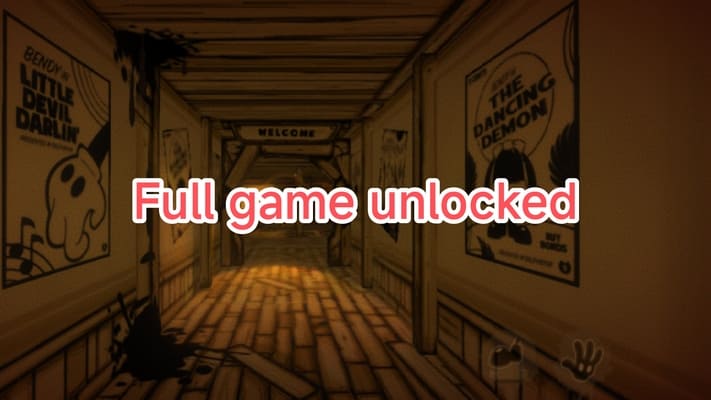
A defining element of Bendy and the Ink Machine is its distinctive visual and audio design, which blends vintage animation aesthetics with a dark, industrial undertone to create a world that is both nostalgic and ominous. The art style deliberately echoes early 20th-century “rubber hose” cartoons: characters appear with exaggerated, simple shapes and high-contrast features that recall hand-drawn animation, while environments use a limited color palette dominated by sepia tones and pools of inky black that suggest both dampness and corruption. This contrast — the cheerful silhouette of cartoon mascots against the grime of a decaying studio — generates a powerful uncanny effect. Lighting and shadow are used as gameplay tools as much as stylistic choices: corridor tips bathed in soft amber can hide ink-slick surfaces or reveal silhouettes moving behind doors, and sudden changes in illumination often precede tense encounters. Sound design reinforces the visual mood through a carefully chosen score and environmental audio: period-style piano motifs and brass instrument accents recall old cartoon soundtracks, while mechanical groans, dripping liquid, and distant sloshes of ink raise a constant sense of unease. Occasional character vocalizations, distorted radio broadcasts, and eerie singing add human texture to the otherwise inhuman presence in the studio. Together, these elements craft an immersive sensory identity that turns the concept of the animation studio into an active, haunting character, where style and substance combine to make the familiar feel threatening and the playful feel corrupted.
Narrative in Bendy and the Ink Machine unfolds gradually through episodic sections and layers of discovered media, encouraging players to assemble the story from fragments rather than delivering it all at once. The central mystery revolves around what happened to the studio and its creators: why did the cartoon characters become more than drawings, and how did the machine that gave them life transform the workplace into a place of danger? Players uncover journal entries, production notes, storyboards, and audio recordings that reveal conflicting viewpoints, unfulfilled promises, and experiments that blurred the line between art and technology. Key characters — animated mascots, struggling artists, and enigmatic studio executives — are presented in both caricatured and tragic lights, which complicates simple good-versus-evil readings. Some characters elicit sympathy, revealing human flaws and regrets, while others become horrific parodies of their original cheerful designs after being warped by the ink. The episodic progression allows the plot to escalate carefully: early chapters set tone and establish the rules of the studio’s altered reality, while later sections deepen the stakes and expose moral decisions that led to catastrophic results. The narrative approach rewards attention to detail and speculation, and it intentionally leaves room for interpretation: some plot elements are explained explicitly, while others are hinted at and debated by the community. This layered storytelling makes the game appealing to players who enjoy piecing together lore and engaging in theorycrafting, as much of the story’s emotional impact comes from inference and the slow reveal of cause and consequence throughout the studio’s rooms.
Beyond its single-player experience, the game has had a notable cultural footprint thanks to its memorable characters, strong visual identity, and community engagement. Fans have expanded the world through fan art, cosplay, and theory-driven discussions that dissect both the explicit plot and the more ambiguous elements of the lore. The game’s design — a fusion of an accessible horror premise with a stylized, iconic cast — makes it fertile ground for creative reinterpretation, from animated fan shorts to handcrafted merchandise and themed collectibles. Additionally, the series’ episodic structure and clear cast encourage speculation about backstory and motivations, prompting collaborative efforts among players to catalog clues, compile timelines, and produce guides that map out hidden rooms and secret items. The environment also inspires creative modding and level design experiments, where hobbyists recreate studio locations or invent new scenarios that play with the established mechanics and aesthetics. Critically, the title’s success influenced other indie projects that seek to combine nostalgic art styles with darker storytelling, showing how visual contrast can be leveraged to produce unsettling atmospheres. For players, replayability comes from a desire to uncover every scrap of lore, to revisit tense set pieces with different strategies, and to explore optional corners they missed on first pass. Whether approached as a mystery to be solved, an artistic statement about creation and consequence, or a source of memorable characters and imagery, the game provides a compact but resonant package that continues to invite discussion and reinterpretation.
How to Get Started with Bendy and the Ink Machine?
- 1. **Choose a Platform**: Determine whether you want to play on PC, console, or mobile. The game is available on various platforms.
- 2. **Buy or Download the Game**: Purchase or download "Bendy and the Ink Machine" from a digital store like Steam, PlayStation Store, Xbox Store, or the Nintendo eShop.
- 3. **Familiarize Yourself with the Genre**: Understand that it’s a horror, puzzle, and adventure game with a strong narrative focus.
- 4. **Learn the Controls**: Review the control scheme for your platform to navigate through the game effectively.
- 5. **Dive into the Story**: Pay attention to the story through cutscenes and notes scattered throughout the game to fully grasp the plot.
- 6. **Solve Puzzles**: Engage with the puzzles that require exploration and critical thinking to progress through chapters.
- 7. **Expect Jumpscares**: Be prepared for horror elements and jumpscares, which are integral to the atmosphere.
- 8. **Explore the Environment**: Thoroughly explore each area for lore, items, and hidden secrets.
- 9. **Join the Community**: Participate in online forums or groups to discuss theories, gameplay tips, and share experiences.
- 10. **Play the Sequel**: After completing the first game, consider playing "Bendy and the Dark Revival" for an expanded experience.
- 11. **Have Fun**: Enjoy the unique art style and storytelling as you navigate through the world of Bendy.
10 Pro Tips for Bendy and the Ink Machine Users
- 1. Explore Every Corner: Thoroughly investigate each area for secrets, collectibles, and lore. Hidden items can enhance your understanding of the story.
- 2. Conserve Resources: Save ink and items whenever possible. Use strategies to avoid unnecessary confrontations with enemies.
- 3. Understand Enemy Patterns: Familiarize yourself with the behavior of enemies like Bendy and others to avoid ambushes and navigate levels more effectively.
- 4. Use Audio Cues: Pay close attention to sound cues, which can indicate the presence of enemies or hidden items nearby.
- 5. Complete Side Quests: Engage in side objectives to gain extra rewards and deepen your connection to the game’s narrative.
- 6. Keep an Eye on the Ink Levels: Monitor your ink reserves; running out can hinder your ability to use items or abilities.
- 7. Utilize Stealth: Sometimes it’s better to sneak past enemies rather than confront them head-on. Use shadows and corners to your advantage.
- 8. Take Notes: Jot down clues or puzzle solutions you encounter. Many puzzles require attention to detail and remembering previous hints.
- 9. Replay Levels: Don’t hesitate to replay chapters to gather missed items, achievements, or to experience the story from a new perspective.
- 10. Stay Calm: The game can be intense and unsettling. Take breaks if you feel overwhelmed, allowing yourself to approach challenges with a clear mind.
The Best Hidden Features in Bendy and the Ink Machine
- 1. **Secret Rooms**: Throughout the game, there are hidden rooms that contain additional lore and collectibles, often rewarding exploration.
- 2. **Ink Machine Variants**: Different chapters feature various designs for the Ink Machine, each with unique, subtle changes that reflect the progression of the story.
- 3. **Audio Logs**: Scattered throughout the game are audio logs that provide backstory and character development, offering deeper insights into the game's universe.
- 4. **Bendy Cutouts**: Collecting Bendy cutouts in specific areas can unlock bonus content or provide hints on gameplay mechanics.
- 5. **Easter Eggs**: There are several references to classic animation and horror films, adding layers of appreciation for fans of those genres.
- 6. **The Beast’s Appearance**: The Beast can be glimpsed in certain areas, creating a sense of dread and foreshadowing without a direct confrontation.
- 7. **Hidden Messages**: Some walls have hidden messages or ominous drawings that reveal clues about the true nature of the studio and its characters.
- 8. **Puzzle Alternatives**: Some puzzles can be solved in multiple ways, encouraging players to think outside the box and explore different solutions.
Bendy and the Ink Machine Faqs
What is the objective of Bendy and the Ink Machine?
The objective of the game is to solve puzzles, uncover the narrative, and survive against various threats within a creepy, abandoned cartoon studio. Players explore the environment to piece together the story of Bendy.
How do I solve puzzles in the game?
To solve puzzles, gather clues scattered throughout the environment. Interact with objects to understand their functions, and use items found to progress. Pay attention to notes and audio logs that provide hints.
What items can I collect in Bendy and the Ink Machine?
Players can collect various items such as tools, ink, audio logs, and collectible figures. These items often serve to unlock new areas or complete specific objectives, so be sure to explore thoroughly.
How can I effectively deal with enemies?
To deal with enemies, keep your distance, listen for audio cues, and hide when necessary. Use melee weapons found along the way to fend them off. Always be aware of your surroundings.
What are the steps to progress through a chapter?
To progress through a chapter, follow these steps: 1. Explore the environment to find clues. 2. Collect necessary items to solve puzzles. 3. Complete objectives indicated in your task list. 4. Reach the end of the chapter after meeting all requirements.
 HappyMod