What is Kingdom Rush Tower Defense TD Games?
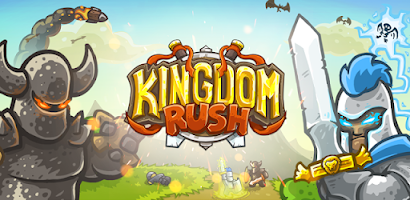
Kingdom Rush is a popular tower defense game series developed by Ironhide Game Studio that blends classic strategic placement mechanics with a lively fantasy setting. Players defend lanes and choke points against waves of enemies by building and upgrading a variety of towers, deploying hero units, and activating special abilities at key moments. The core loop emphasizes planning, resource management, and quick reaction as new enemy types and terrain features require adjustments to tower composition and placement. Tower categories typically include archers, barracks that spawn troops, mages that pierce armor or inflict status effects, and artillery that excels at crowd control. Each tower class has multiple upgrade paths that can specialize in damage, range, rate of fire, or unique effects like slowing or summoning. Heroes are customizable, leveling up between battles to unlock powerful skills and talents that shape overall strategy. Aesthetic presentation combines detailed 2D art, expressive animations, and whimsical sound design, creating an inviting atmosphere even as challenge ramps up. Levels often introduce interactive elements such as breakable walls, teleporters, or environmental hazards that alter how players approach defense. Difficulty modes and challenge maps provide additional objectives and constraints that reward precision play and experimentation. The progression system rewards players with currency, achievements, and unlockable towers or hero options that expand tactical possibilities. Despite approachable controls and a friendly learning curve, the game maintains depth through enemy synergies, ornate boss encounters, and scenarios that punish tunnel vision. Long-term appeal comes from a balance between accessibility for newcomers and emergent complexity for seasoned strategists who enjoy optimizing tower placement and timing to achieve star ratings across stages. Community created guides, walkthroughs, and theorycrafting discussions further enrich the experience by offering fresh perspectives on build orders, hero synergies, and niche tactics for overcoming particularly stubborn enemy compositions and varied challenges.
Strategic depth in Kingdom Rush arises from the interaction of limited resources, tower diversity, and enemy traits that force players to adapt across stages. Gold is earned by defeating foes and completing objectives, and it must be allocated between building new towers, upgrading existing defenses, and deploying temporary abilities that can turn tides during critical waves. Tower placement decisions take into account line of sight, range overlaps, and terrain chokepoints to maximize fire concentration on high priority targets. Upgrade paths often present branching choices where one path increases raw damage while another introduces area effects or crowd control, creating meaningful tradeoffs for long term planning. Heroes add a dynamic layer: they traverse lanes independently, level up, and unlock active or passive skills that complement tower builds or shore up weaknesses. Enemy design includes basic fodder, armored units resistant to physical damage, flying invaders that ignore ground blockers, magic-shielded units that require specific counters, and massive bosses that demand coordinated firepower and ability timing. Special waves mix types to pressure multiple defense aspects simultaneously, prompting the use of combined arms tactics such as pairing burst artillery with slowing mages and frontline barracks. Timed abilities like meteor strikes or archer rain provide clutch solutions but are limited by cooldowns, encouraging players to reserve them for pivotal moments. Success often comes down to diagnosing the main threat, prioritizing upgrades, and iterating on placement rather than relying on a single overpowered strategy. Additional modes, including ironman challenges and tower restriction runs, reward players who master micro decisions and build synergies. Replay value is strengthened by alternate objectives, difficulty modifiers, and a progression loop that unlocks new towers or hero talents, which in turn open up fresh tactical possibilities and creative problem solving for players seeking mastery and deep leaderboards for competitive optimization and analysis.
The Kingdom Rush series stands out aesthetically through its charming cartoonish visuals, richly detailed environments, and expressive enemy designs that convey personality even in silhouette. Each map is crafted with a distinct thematic identity, ranging from sunlit forests and craggy mountain passes to icy tundras and volcanic battlegrounds, and environmental variety influences tactical choices by offering natural chokepoints, elevation differences, and interactive scenery. Character illustrations emphasize readable silhouettes and exaggerated features so players can instantly identify unit roles under battlefield pressure. Animations are snappy and often humorous, with soldiers tripping, wizards gesturing dramatically, and bosses performing elaborate entrance sequences that build anticipation. Sound design complements the visuals with satisfying attack and impact cues, varied voice lines for heroes, and a musical score that adapts to battle intensity, reinforcing pacing across calmer planning segments and tense late waves. The writing leans toward lighthearted fantasy, mixing puns, playful banter, and occasional tongue-in-cheek references to genre tropes that keep tone approachable for a broad audience while still delivering satisfying dramatic moments in climactic battles. Hero characters are memorable, each with distinct backstories, visual identities, and upgradeable talent trees that give players narrative hooks as well as mechanical differentiation. Environmental storytelling is used sparingly but effectively, from ruined fortresses hinting at past wars to scattered notes or statues that flesh out factions and world lore. Seasonal events and additional campaigns expand the world with themed maps and unique enemies, offering fresh spectacle without undermining the series' core aesthetic. Overall, thoughtful art direction, concise writing, and layered audio combine to make the experience more than a purely mechanical puzzle; it becomes a playful fantasy theatre where each victory feels visually and sonically rewarding, and recurring motifs help tie disparate levels into a coherent, whimsical world. Fans share artwork and celebrate iconic character moments regularly online.
Replayability in Kingdom Rush stems from a layered design that encourages players to revisit maps with new constraints, pursue perfect scores, and experiment with varied army compositions. Each stage typically offers multiple objectives such as surviving onslaughts without letting civilians die, completing level-specific hero challenges, or finishing within a time limit to earn maximum stars. Achieving three stars often unlocks harder variations and additional rewards, motivating players to refine tactics and explore alternative upgrade paths. Beyond primary campaigns, specialized challenge maps and endless modes extend longevity by offering procedurally scaled waves or unique victory conditions that shift priorities away from pure attrition. Developers have supported the games with periodic content additions like new hero packs, themed campaign expansions, and cosmetic unlocks that add fresh approaches to familiar encounters without fundamentally changing the tactical core. Monetization tends to focus on optional purchases for convenience or cosmetic variety, allowing players to choose whether to accelerate progression or simply enjoy the base experience through skill. Leaderboards, achievement lists, and social sharing mechanics give competitive players goals to chase, while sandbox-like experimentation encourages casual players to test unconventional strategies. The design also rewards meticulous planning: replaying stages with different tower compositions reveals synergies and counters that can turn a previously failed run into a triumphant one. Accessibility options and multiple difficulty tiers invite a wide audience, from newcomers who prefer narrative and art to veterans who crave complex optimization. Because the series balances short play sessions with deep strategic hooks, it fits both mobile-oriented pick-up-and-play habits and longer desktop sessions where players pursue mastery. Overall, a focus on layered objectives, modular content expansions, and player choice in monetization contributes to a durable and satisfying long-term experience. Seasonal events and community challenges periodically reintroduce favorite enemies and maps to keep pacing fresh for players.
Kingdom Rush has left a notable legacy within the tower defense genre by proving that accessible controls and charming presentation can coexist with sophisticated tactical depth. Its design philosophy emphasizes readability, where enemy intentions and defensive capabilities are visually telegraphed so players can make informed choices without overwhelming interfaces. This clarity has influenced subsequent strategy titles that prioritize intuitive visual language, modular upgrade systems, and clearly communicated tradeoffs. For players, Kingdom Rush serves as both entertainment and a training ground in resource allocation, probabilistic thinking, and adaptive planning: measuring when to invest in sustained upgrades versus situational abilities teaches risk assessment under pressure. The series also models good feedback loops; successful decisions are reinforced by perceptible improvements in outcomes, and failures provide concrete lessons that are easy to diagnose and iterate upon. Community engagement is a vital component of longevity, with players sharing optimized builds, tabletop-style theorycrafts, and speedrun tactics that spotlight emergent strategies beyond designers' intentions. Mods, fan art, and discussion threads further extend the ecosystem by celebrating favorite heroes and debating nerfs or buffs conceptually, which deepens appreciation for balance design. For newcomers seeking to improve, focusing on chokepoints, balancing area effect and single-target damage, and saving cooldowns for boss windows yields consistent gains. Veteran players often pursue self-imposed constraints, such as using only one tower type or avoiding certain upgrades, turning the game into a robust puzzle with near-infinite permutation space. Ultimately, Kingdom Rush endures because it strikes a satisfying balance between bite-sized sessions and deep optimization, appealing to casual audiences who enjoy the story and aesthetics as well as competitive strategists who relish squeezing marginal advantages from every gold coin and cooldown. Designers built memorable pacing loops, and challenge spikes that teach players to plan ahead while keeping adrenaline high. The result is enduring, repeatable fun.
 HappyMod