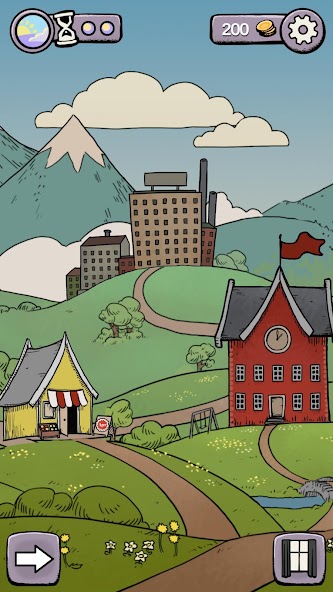
What is My Child Lebensborn Games?
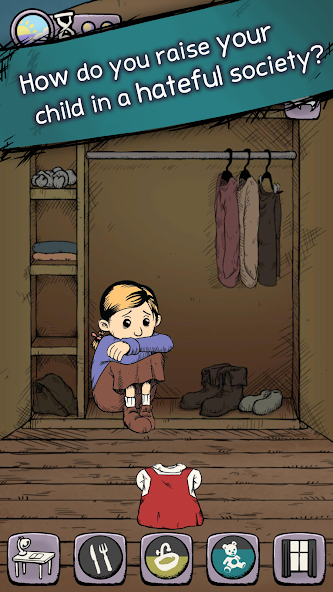
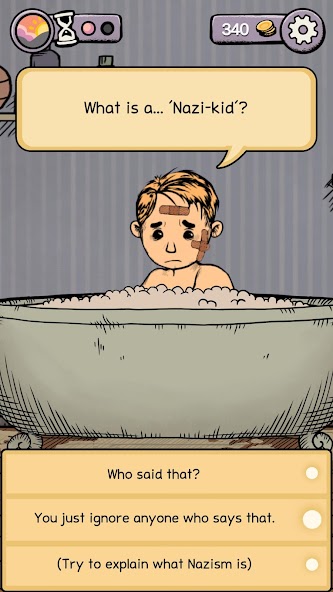
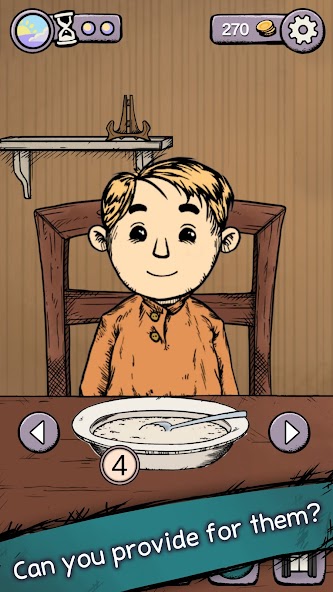
My Child Lebensborn is a narrative-driven simulation that places players in the role of a guardian responsible for the care and upbringing of a young orphan in post-World War II Norway, set amid scarce resources and lingering social prejudice following decades of conflict. The core premise revolves around difficult choices, moral complexity and the practical demands of daily care. Gameplay alternates between routine tasks like feeding, dressing, cleaning, and simple teaching activities and emotionally weighty decision points that affect the child’s sense of trust, identity, and emotional wellbeing. Players manage limited supplies alongside social interactions that can stigmatize or support the child. Small acts accumulate, shaping personality, health and relationships across days, weeks and months. Choices branch, producing a variety of outcomes that reflect cumulative behavior rather than single scripted solutions. The writing blends quiet moments with harrowing incidents, inviting players to weigh compassion against survival. Portraits, diary entries, and environmental details augment text, conveying context and subtext that dialogue alone may not express. The pace is deliberately reflective, discouraging frantic decision-making in favor of considered responses. Emotional burden and practical struggle are presented together, making empathy a mechanical element of play. There is no single correct path; different approaches yield varied endings, each emphasizing different consequences for the child and guardian. Players who focus on emotional connection will find reward in nuanced character arcs, while those expecting conventional game challenge encounter a slow-paced simulation centered on narrative and moral complexity. The interface aims to make consequences feel intimate rather than abstract, using visual cues, item management, and dialogue to weave a cohesive caregiving experience that resonates emotionally. Subtle feedback systems show how neglect or kindness compound, and small choices ripple into the child’s future, altering trust, social standing, and personal identity. My Child Lebensborn challenges players to confront difficult decisions.
The historical context of My Child Lebensborn is central to its narrative, drawing on the real German Lebensborn program and the conditions in occupied and post-war Europe. The game situates players within a Norwegian community grappling with the fallout of war, where children born to foreign soldiers or program participants often faced ostracism, suspicion, and violence. Rather than recounting a catalogue of dates and policies, the game focuses on individual human consequences, exploring identity, belonging, and inherited stigma. It asks players to consider how communities assign blame and how prejudice shapes childhoods. Writers use dialogue, subtle visual motifs, and environmental storytelling to reconstruct atmosphere and moral ambiguity. The narrative refrains from sensationalism, opting instead for quiet detail that gradually reveals pressures faced by both caregivers and the child. Memory and silence are recurring motifs, demonstrating how communities can both protect and punish. The game engages players in ethical reflection, prompting questions about culpability, forgiveness, and the limits of compassion. It also highlights the resilience of individuals under duress, showing acts of kindness that persist amid fear. By narrowing focus to one domestic household, the title amplifies everyday choices into moral dilemmas. This approach helps players connect emotionally while retaining historical specificity. The game’s handling of traumatic subjects is careful but unflinching, showing that the aftermath of systemic policies persists through community attitudes and individual memory. Narrative choices encourage players to weigh the impact of silence, secrets, and disclosure on a child’s sense of self. The game deliberately avoids simplistic judgments, instead depicting a tangle of fear, survival, and human frailty. The experience remains primarily a character-driven study centered on making moral choices within constrained circumstances. That constraint privileges empathy over exposition and invites reflection.
Mechanically, My Child Lebensborn blends resource management, branching narrative, and light simulation elements to create a caregiving experience. Time advances in discrete days, each offering opportunities to perform tasks and respond to events. Players allocate scarce items such as food, clothing, and medical supplies, choosing when to prioritize basic needs over comforts. Dialogue choices often have direct consequences, influencing the child’s trust, temper, and social interactions. Some decisions unlock new narrative branches, while others close off certain relationships or opportunities. The child’s emotional state is tracked through indicators that respond to caregiver behavior, environmental stresses, and community treatment. Occasional events present puzzles or moral dilemmas, requiring quick judgment or long-term planning. Inventory systems force trade-offs; taking an extra blanket might protect against cold but leave less money for food. Conversations with neighbors, teachers, and authorities shape social consequences. Reputation gauges how the community perceives the child, affecting access to services or support. The design emphasizes that small repeated choices compound into substantive differences. There are multiple endings, reflecting different developmental trajectories and social resolutions. Save mechanics and branching allow players to replay and experiment, observing how alternative approaches yield distinct narrative outcomes. Difficulty is less about challenge and more about emotional consequence and moral ambiguity. The interface provides clear feedback on immediate needs and long-term trends, enabling informed choices. Players can experiment with different caregiving styles, such as strict discipline, indulgent comfort, or protective secrecy. Each style has trade-offs. Mechanics are deliberately legible, inviting players to analyze cause and effect. The game avoids opaque statistics, favoring narrative signals that communicate psychological states. Emotional labor is modelled through recurring routines and the ripple effects of external incidents. Decision pacing encourages reflection, making each intervention feel meaningful. That design invites sustained attention, rewarding players who observe patterns, adapt, and accept responsibility.
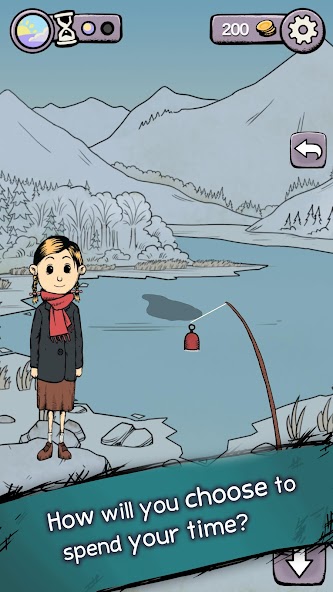
Aesthetic and audio design play large roles in My Child Lebensborn’s emotional impact, shaping tone and immersion. Visuals employ a restrained but expressive style, often using muted palettes, period clothing cues, and weather hints to evoke post-war Norway. Character portraits are rendered with careful facial expression, capturing fleeting moods that complement textual descriptions. Backgrounds and domestic environments include small details such as worn furniture, newspapers, and children’s drawings, which enrich world-building. Sound design contributes significantly, with sparse piano motifs, ambient wind, and domestic noises that underline intimacy and unease. These elements are mixed to prioritize subtlety over bombast, letting quiet moments resonate. The audio cues respond to player choices, reinforcing emotional beats and making certain scenes linger. Minimalist animations emphasize gesture and expression, allowing players to project interpretation into scenes. UI design favors clarity, with easily readable text and accessible icons. Interaction flows are organized around daily routines, streamlining repetitive tasks while leaving space for consequential choices. The presentation respects the serious subject matter, avoiding gratuitous imagery that would trivialize experience. Designers use composition and pacing to build tension subtly, often juxtaposing tender domestic scenes with moments of social danger. Lighting and color shifts help signal mood changes, while recurring visual motifs provide thematic coherence. Accessibility options include adjustable text size, straightforward input methods, and clear pacing, enabling a wide range of players to engage. The game’s sensory restraint becomes a design strength, focusing attention on human interaction rather than spectacle. This approach amplifies the emotional stakes because small gestures and sounds carry disproportionate weight. Consequently, many scenes feel intimate, allowing players to dwell on consequences and subtle character development. The art and audio work together to craft a cohesive atmosphere that supports reflection. Rather than distracting, aesthetics guide emotional engagement, deepening player investment in the child’s inner life journey.
Reception for My Child Lebensborn has often highlighted its emotional resonance, historical bravery, and capacity to spark conversations about memory. Critics praised the game’s writing, moral nuance, and evocative presentation. Players frequently report strong empathetic reactions, and some describe the experience as personally challenging because decisions can feel morally ambiguous. Academics and educators have noted how interactive fiction can complement discussions about post-war societies, trauma, and the legacies of institutional policies. Debate sometimes centers on whether games are appropriate mediums for such topics, but My Child Lebensborn is often cited as an example of sensitive handling rather than exploitation. Some criticism focuses on pacing, with a minority of players desiring more gameplay variety or additional branching complexity. Others criticize perceived reductions of historical complexity into a household-scale narrative, arguing that broad systemic forces can be difficult to portray through intimate storytelling. Nonetheless, many appreciate the game’s capacity to humanize marginalized experiences and to encourage reflection. For players approaching the title with readiness for emotionally difficult content, it offers opportunities for moral learning, empathy practice, and historical curiosity. Replayability supports examining alternative approaches and consequences, promoting iterative reflection. Community responses include discussions around parenting, social responsibility, and the nature of compassion. Players sometimes use gameplay sessions as prompts for journaling, group conversation, study exercises, or classroom modules, turning in-game scenarios into real-world dialogue about ethics. The title therefore functions as both entertainment and cultural artifact, inviting critique and praise. When discussing potential negatives, emotional intensity ranks high, and the slow pace may alienate players seeking faster reward loops. Still, many find the deliberate tempo integral to the experience, allowing contemplation and deeper appreciation of narrative nuance. The game’s impact often extends beyond playtime, prompting research, conversation, and personal reflection. For those interested in serious narrative games, My Child Lebensborn stands as a noteworthy example of how interactive media can engage.


 HappyMod