What is Shadow Fight 4: Arena Games?
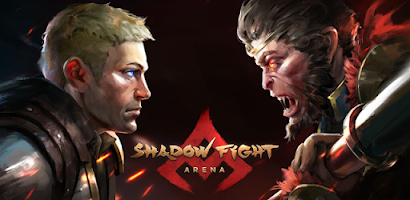
Shadow Fight 4: Arena is a fast-paced, arena-based fighting game that builds on the established Shadow Fight universe by combining fluid martial arts combat with competitive multiplayer modes. In this installment, players choose from a roster of diverse fighters, each with their own visual design, weapon preferences, and unique move sets that emphasize different playstyles. Matches are short and focused, designed to reward timing, positioning, and the clever use of special abilities rather than relying solely on raw button mashing. The controls are crafted to be accessible for newcomers while offering depth for players who study frame data, spacing, and combo extensions. Visually, the game contrasts solid silhouettes with polished 3D arenas and dynamic lighting to preserve the signature 'shadow' aesthetic while delivering modern graphical fidelity. Sound design supports the combat with impactful hits, character-unique audio cues, and energetic music that escalates during critical moments. Progression is anchored by a battle pass and equipment systems that let players unlock cosmetic items, emotes, and alternate weapon skins, as well as small stat tweaks that influence play in controlled ways. Competitive matchmaking balances skill tiers to match players against opponents of similar strength, and leaderboards reflect seasonal performance for those who chase ranking rewards. The game also emphasizes short-session play, offering quick match queues and intermittent tournaments that fit into mobile or on-the-go schedules. Despite a focus on player-versus-player action, there are training and practice features for mastering combos and setups, and AI opponents provide practice scenarios. Overall, Shadow Fight 4: Arena positions itself as a modern competitive fighter that leans into accessibility, style, and tight mechanical design to appeal to both casual players and dedicated competitors seeking fast, strategic PvP combat. The game regularly introduces new fighters, balance updates, and themed events to keep the competitive landscape evolving for engaged players.
At the core of Shadow Fight 4: Arena is a layered combat system that rewards tactical decision-making and precise execution. Fighters are differentiated by weapon archetypes, range profiles, and signature skills that alter matchups and promote varied strategies. Melee characters often excel at close quarters with rapid combos and heavy guard pressure, while weapon-based fighters can control space using reach and zone control. Defensive mechanics include parries, rolls, and directional dodges that create opportunities for punishes when timed correctly. Many characters also have chargeable special moves or ultimates that require managing an energy meter, adding a resource-management aspect to fights. Combos are designed with launcher properties, juggle windows, and cancel frames that encourage practice to link together optimal strings. The hit detection favors clear visual feedback, with hit sparks, slow-motion impact moments, and readable animations that inform player reactions. Arena variety can be more than cosmetic; some stages introduce hazards, elevation differences, or cover spots that skilled players leverage for positional advantage. Equipment and loadout systems allow players to tune fighters through passive bonuses, unique augments, or situational perks that slightly shift playstyle without creating insurmountable power gaps. Balance philosophy leans toward rock-paper-scissors interactions: every strength has a counter, and viable strategies exist across multiple tiers. Training modes provide frame-by-frame playback, hitbox visualization, and scenario setup tools to drill punishments and practice timing. Tutorials and onboarding teach core mechanics progressively, but the depth emerges in mastering spacing, reads, and mental games like baiting and adapting mid-match. Ranked play emphasizes consistency, with matchmaking smoothing out variability so that strategic depth, not randomness, decides outcomes. This mechanical richness ensures that matches feel meaningful, where well-timed defenses and calculated risks can overturn momentary disadvantages into decisive victories. Players who commit to learning counters and frame advantages gain disproportionate rewards in higher-level competition regularly.
Shadow Fight 4: Arena places significant emphasis on social and competitive structures designed to keep players engaged over time. Social features include guilds or clans where groups can coordinate, share strategies, and participate in club-focused events that reward collective milestones. Matchmaking supports friend invites and casual lobbies for private bouts, and spectator options let teammates and supporters watch ranked matches live. Seasonal events introduce rotating objectives and themed rewards that encourage returning players to complete short-term goals while offering long-term collection targets like exclusive cosmetics and vanity items. The monetization model blends free-to-play accessibility with optional purchases that accelerate progression, unlock premium cosmetics, or grant convenience boosts without rendering unpaid players uncompetitive. Battle passes and seasonal bundles package skins, emotes, and other visual customization elements, while limited-time sales spotlight new character skins or weapon designs. E-sports and tournament structures are supported through in-game brackets and scheduled cups that let local communities host competitions with standardized rules and prizing systems. Community tools such as replay sharing, highlight clips, and leaderboards foster a sense of achievement and enable content creators to showcase skill and personality. Cross-play compatibility across devices may broaden the player base and facilitate larger competitive pools, while moderation tools and reporting systems aim to keep player interactions civil and fair. Player-driven economies are typically constrained to cosmetic items to preserve competitive integrity, and trading systems, if present, are often carefully regulated to prevent exploitation. The combination of social mechanics, regular content drops, and varied reward pathways creates a live-service environment focused on sustained activity, community building, and a steady influx of fresh narrative or cosmetic themes that refresh the player experience throughout each competitive season. Regular developer updates deliver balance patches, new vanity sets, themed anniversaries, and quality-of-life improvements that respond to evolving player preferences without interrupting core gameplay.
The aesthetic and narrative framing of Shadow Fight 4: Arena blend mythic motifs with contemporary competitive game design to produce a distinctive atmosphere. Character designs draw from a wide palette of cultural inspirations, mixing traditional martial arts costumes, elemental motifs, and imaginative weaponry that reflect each fighter’s background and combat philosophy. While the title’s narrative is not primarily story-driven, it provides contextual flavor through character bios, cinematic intros, and seasonal lore that frames tournaments and events as clashes of legacy and ambition. Visual presentation balances silhouette clarity and ornate detailing: fighters remain readable in heated exchanges while close-up animations showcase ornate armor pieces, particle effects, and unique weapon trails. The soundtrack complements punchy combat with rhythmic percussion, soaring motifs for dramatic moments, and adaptive tracks that intensify during ultimates or crucial rounds. Technical engineering emphasizes responsive input, low-latency netcode, and stable frame pacing to support fair competition; developers often invest in rollback or interpolation techniques to smooth online matches and prioritize precise timing. Customization extends beyond cosmetics to include taunts, victory poses, and celebratory effects that let players personalize their presence in the arena. Accessibility options cover adjustable control sensitivity, button remapping, and visual contrast modes to accommodate a range of players. Localization efforts ensure character flavor and tutorial content are approachable across languages, supporting a global community. The art and audio teams collaborate closely to keep performance optimized without sacrificing spectacle, using scalable assets and level-of-detail strategies to maintain consistent play responsiveness. Overall, the game marries dramatic visual storytelling with technical rigor, making each match feel both narratively resonant and mechanically satisfying, and inviting players to invest in both their individual skill and their understanding of the broader roster dynamics. Regular seasonal cinematics and character-driven challenges expand the lore while spotlighting new fighters and community milestones each competitive cycle.
For players new to Shadow Fight 4: Arena, effective learning starts with mastering core fundamentals and building a concise practice routine. Focus first on movement, spacing, and basic defensive options like parry windows and timed dodges; these skills underpin every matchup and are more impactful than memorizing long combos initially. Pick one or two characters that suit different ranges—one close-range brawler and one mid-range zoner—to understand how reach and priority shape engagements. Use training mode to isolate common scenarios: practice punishing blocked strings, converting aerial hits into damage, and chaining simple launcher-to-damage combos until inputs become muscle memory. Study frame advantage on common moves to know when it is safe to press an attack or when to back off and reset neutral. Watch replays of your matches to spot repeated mistakes, such as unsafe approaches or missed punishes, and set small goals for improvement each session. In ranked environments, adaptability is key; learn common counters to your favorite strategies and force opponents into uncomfortable exchanges by varying timing and baiting predictable responses. Resource management, such as conserving energy for decisive moments or baiting ultimate use from opponents, often swings tight matches. Engage with community resources and competitive broadcasts to observe high-level decision-making, but prioritize personal refinement through repetition and reflection. Balance experimentation with consistency: test new gear or style tweaks in casual matches before taking them into ranked play. Finally, maintain a steady growth mindset—incremental improvements in reaction speed, spacing judgment, and matchup knowledge compound over time, transforming early frustration into steady climb and deeper appreciation for the game’s strategic possibilities. Set modest daily practice targets, alternating mechanical drills and live matches to measure progress. Rotate practice partners, study one matchup per week, and track metrics such as win rate, punish conversion, and damage per exchange for steady, measurable gains.
 HappyMod