What is The Baby In Yellow Games?
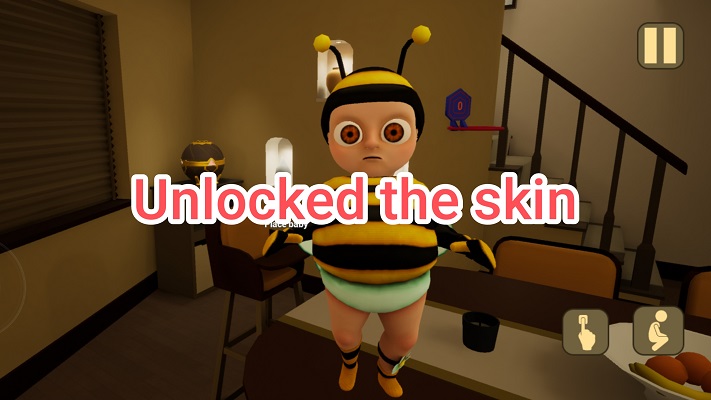
The Baby in Yellow is an independent horror-comedy game that places the player in the role of a babysitter responsible for a seemingly innocent infant who behaves in increasingly uncanny ways. The premise begins with a routine babysitting job: feed the baby, change diapers, put it to bed, and avoid making noise for the sleeping parents. At first the tasks are mundane and even humorous, but gradually absurd and disturbing events unfold as the infant exhibits unnatural strength, telekinetic tendencies, and an eerie ability to influence the environment. The tension builds through a series of escalating incidents that subvert normal childcare tropes; toys move by themselves, shadows fall where they should not, and the baby smiles in ways that unsettle the player. The narrative is deliberately sparse, using environmental storytelling and short scripted encounters rather than extensive dialogue, which allows the player’s imagination to fill in gaps and amplifies the sense of dread. Despite its lean story, the game balances dark humor with genuine scares, often juxtaposing nursery imagery with sudden, surreal occurrences. Characterization of the baby is minimal but effective: its actions communicate a personality that is at once playful and malevolent, making it a memorable antagonist. The game’s short length contributes to its impact, concentrating unsettling moments into a compact experience that can be completed in a single sitting. That brevity, combined with a distinctive premise, helped the game stand out among indie horror titles, sparking discussion and creative responses. Overall, the game thrives on a simple yet potent concept: an everyday task turned nightmarish, delivering a mix of laughs, jump scares, and lingering unease that resonates with players looking for a brief but intense horror-comedy experience. Its approachable mechanics and surprising depth invite repeat plays and community creativity around fan art and streamed reactions for varied experiences.
Gameplay in The Baby in Yellow combines simple point-and-click interactions with timed tasks and emergent scripted moments that create a tense babysitting simulation. Players navigate a modestly sized house from a first-person perspective, moving between rooms to accomplish childcare duties—feeding, changing, comforting, and putting the baby to sleep—while reacting to increasingly strange behaviors. Controls are intentionally straightforward: pick up and use objects, perform contextual actions, and respond to sudden events. The game uses a mix of predictable chores and unpredictable supernatural interruptions to keep players uncertain about the next escalation, so routine actions can rapidly become survival decisions. A subtle timer and the need to manage the baby’s states—hunger, tiredness, and boredom—add pressure without complex resource meters. Puzzles are generally environmental and intuitive, often requiring players to manipulate common household items to restore calm or trigger progression. Many sequences rely on timing and observation; noticing small environmental cues, like misplaced toys or changed lighting, informs safer choices. Player choice is limited but meaningful: how aggressively to tend to the baby, whether to explore forbidden rooms, or when to trigger a calming action can influence which scripted events occur. The balance between scripted scares and randomized reactions ensures that playthroughs feel familiar yet fresh, encouraging replays to see alternative sequences. Visual and audio feedback plays a large role in signaling danger and guiding actions—subtle creaks, a change in melodic tone, or the baby’s uncanny laugh provide clues. While not a deep simulation, the game’s mechanical clarity allows the tension to land effectively, enabling players to experiment with different strategies in a low-barrier environment. That accessibility, paired with tight pacing, produces a compact loop of everyday tasks transformed into unpredictable horror, which is central to the title’s appeal. Short sessions and clear goals make it easy to replay repeatedly for variety.
The Baby in Yellow crafts its atmosphere through a careful blend of visual contrasts, sound design, and pacing that subverts childhood familiarity into uncanny dread. Visually the game leans on bright, cartoonish colors and exaggerated nursery decor that initially read as playful, then become dissonant as lighting shifts and textures subtly degrade. This contrast between innocence and distortion amplifies discomfort; a cheerful wallpaper pattern can feel grotesque when paired with a distorted shadow or a sudden, unnatural posture from the infant. The art style avoids photorealism, which makes surreal moments pop more effectively and lets players project fears onto simple shapes. Audio is equally important: a sparse, repetitive musical motif underpins calm moments, while dissonant chords and sudden stingers punctuate escalations. Ambient sounds—distant creaks, faint giggles, a rocking chair slowly squeaking—are layered to create an environment that feels inhabited even when characters are off-screen. Directional audio cues often indicate where the next event will occur, demanding attention and heightening tension. Pacing plays a crucial role in the horror experience; the developers alternate mundane routines with sharp, unexpected beat changes so that the player’s guard is lowered and then quickly upended. The baby itself is a focal point for the uncanny valley: its limited but expressive animations, disproportionate features, and timing of actions generate unease without relying on grotesque visuals. Environmental storytelling contributes to the mood—scattered toys, poorly lit corridors, and subtle modifications to familiar rooms tell a story without explicit exposition. Moreover, the game uses scale and framing cleverly; tight interior spaces and close camera angles increase claustrophobia, while occasional long shots emphasize isolation. Together, these elements build an atmosphere that oscillates between comedic absurdity and genuine fright, achieving a tone that is disturbingly playful and memorably effective. Its restraint in showing explicit horror allows anticipation to amplify psychological impact powerfully.
Upon release, The Baby in Yellow attracted attention for its concise concept, approachable mechanics, and ability to generate shareable moments that play well in streaming and short video formats. Critics and players noted its skillful blend of horror and absurd comedy, praising how a minimal cast and short runtime produced a memorable, repeatable experience. The game’s themes—domestic unease, subverted caretaking roles, and the uncanny in familiar spaces—provoked commentary beyond pure entertainment, inspiring essays, reaction videos, and comedic parodies that explored why mundane tasks become effective vehicles for fear. Community responses ranged from fan art and serialized playthroughs to user-created challenges that aimed to reach rare or particularly frightening sequences, turning emergent events into communal spectacles. Modders and hobbyists have experimented with unofficial variations, reskins, and custom scenarios that play with the baby’s behaviors or alter environmental triggers, demonstrating the title’s capacity to function as a flexible framework for creative reinterpretation. The game’s short length and low barrier to entry made it a common pick for content creators seeking engaging material with minimal time investment, which in turn amplified word-of-mouth and cultural visibility. Some players highlighted limitations—repetitive mechanics or limited narrative depth—as understandable trade-offs for a compact, meme-friendly package. Nevertheless, the title’s strong identity and iconic moments helped it influence other indie projects interested in mixing domestic comedy and horror. Academics and commentators occasionally reference it when discussing the aesthetics of contemporary indie horror or how social media accelerates the popularity of concept-driven games. While the experience is intentionally brief, its ripple effects in online culture and amateur creativity underscore how a focused, well-executed idea can resonate broadly and spark varied creative output. Its presence in online conversations also prompted design discussions about short-form horror and the role of comedy in tension. Many creators used the game as a case study.
Players approaching The Baby in Yellow often find that observation and timing are the most valuable skills, so focus on learning patterns and reading subtle cues. Early playthroughs should prioritize completing basic caregiving tasks reliably—feeding, changing, soothing—until those routines occur more quickly and predictably. Once comfortable with core chores, deliberately experiment with alternative actions and routes through the house to discover trigger combinations that lead to rare events or different endings. Use sound as a primary navigational aid: pauses in the ambient track, shifts in background noise, or the baby’s changes in breathing often precede major moments. Maintain situational awareness by checking doorways and hallways between tasks; some scripted occurrences depend on whether certain rooms have been entered recently. Balance risk and reward—certain explorations can speed progression toward high-intensity sequences but may reduce opportunities to reset calm states. If a sequence becomes overwhelming, try varying the order of tasks in subsequent runs to interrupt predictable timing windows that spawn scares. For players interested in maximizing replay value, aim to catalog which actions consistently produce particular reactions; keeping mental notes about object placements and baby states will reveal modulations in behavior. While the title is short, taking a few intentional minutes to experiment reveals hidden beats and optional scripted bits that transform a standard run into an unexpected climax. For a different flavor, adopt self-imposed constraints—such as not entering a specific room or refusing to pick up particular toys—to create emergent challenge and tension. Finally, remember that the game rewards curiosity: small, low-probability interactions can unlock memorable scenes, and part of the appeal is the surprise of discovering them across repeat sessions. If aiming for completionist runs, purposefully manipulate the baby’s sleep and hunger cycles to test alternate responses. Cooperative viewing with friends can make puzzling beats easier to notice.
How to Get Started with The Baby In Yellow?
- 1. **Download the Game**: Find The Baby In Yellow on platforms like Itch.io or Game Jolt, and download the latest version.
- 2. **Install the Game**: Follow the installation instructions specific to your device or operating system.
- 3. **Launch the Game**: Open the game from your applications folder or desktop shortcut.
- 4. **Familiarize Yourself with Controls**: Check the settings or options menu for control schemes suitable for your device (keyboard/mouse or controller).
- 5. **Start Playing**: Select "Play" to begin the game and follow the on-screen prompts.
- 6. **Explore Gameplay Mechanics**: Interact with the environment, complete tasks, and respond to the baby’s needs while engaging with the game’s eerie atmosphere.
- 7. **Check for Updates**: Keep an eye on the developer's page for any game updates or additional content.
- 8. **Join the Community**: Engage with other players on forums, social media, or Discord for tips and discussions about the game.
10 Pro Tips for The Baby In Yellow Users
- 1. Explore Every Room: Thoroughly check each room in the game to discover hidden secrets and items that can enhance your experience.
- 2. Prioritize Baby’s Needs: Keep the Baby fed, changed, and soothed to prevent tantrums that can disrupt your progress.
- 3. Use the Environment: Utilize objects around the house to distract or calm the Baby when needed.
- 4. Save Your Progress: Regularly save your game to avoid losing progress after completing challenging tasks.
- 5. Pay Attention to Cues: Watch for visual or auditory cues indicating the Baby’s mood or needs to respond quickly.
- 6. Keep an Eye on Time: Manage your time wisely, as certain scenarios may have time limits that affect the outcome.
- 7. Experiment with Items: Test different combinations of items to see how they affect the Baby's behavior or the game's environment.
- 8. Observe the Baby's Change: Notice the subtle changes in the Baby’s appearance and behavior as the game progresses, as they can provide clues.
- 9. Use the Pause Feature: Take advantage of the pause feature to strategize your next moves without the pressure of the Baby's demands.
- 10. Learn from Mistakes: Don’t be discouraged by failures; analyze what went wrong and adjust your approach for better outcomes in subsequent attempts.
The Best Hidden Features in The Baby In Yellow
- 1. **Secret Rooms**: Hidden areas can be found in various levels, often accessed by interacting with objects or completing certain tasks.
- 2. **Easter Eggs**: References to other games or pop culture can be spotted throughout the game, adding a layer of humor and intrigue.
- 3. **Alternate Endings**: Different choices made during gameplay can lead to unique endings, encouraging replayability.
- 4. **Hidden Items**: Scattered throughout the levels, collectible items may unlock new features or cosmetic changes.
- 5. **Cheat Codes**: Entering specific codes can activate unique gameplay modes or alter game mechanics for fun variations.
- 6. **Unlockable Characters**: Completing certain challenges may unlock new character skins or abilities that change gameplay dynamics.
 HappyMod