What is The Walking Dead: Season Two Games?
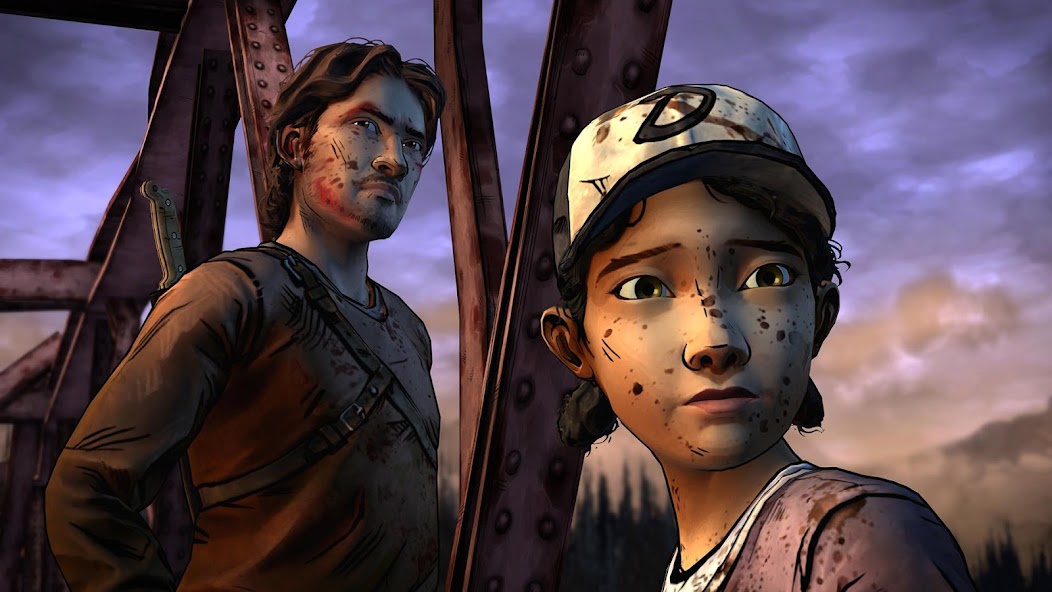
The Walking Dead: Season Two is an episodic graphic adventure game developed by Telltale Games as a direct narrative continuation of its critically acclaimed first season. Players again assume the role of Clementine, a young survivor whose evolution from frightened child to capable protagonist anchors the story. The game emphasizes character-driven storytelling, moral ambiguity, and consequential choice, with each decision shaping future interactions and emotional outcomes. Across five episodes, players navigate tense scenarios, manage scarce resources, and negotiate fragile alliances while confronting both undead threats and living antagonists. Gameplay combines exploration, inventory-based problem solving, quick time events during action scenes, and branching dialogue trees that allow for varied approaches to crises. The presentation balances comic-book inspired visuals with cinematic camera work, creating an intimate atmosphere that foregrounds facial expressions and environmental detail. Voice acting and motion work contribute to believable performances that often heighten tragic and tender moments. The narrative structure intentionally places players in morally fraught positions, where there are seldom clear right answers and where consequences may surface long after a choice is made. This design encourages repeated playthroughs to witness alternative outcomes and hidden character beats. The pacing alternates between reflective interludes and sudden bursts of high-stakes tension, crafting a rhythm that fosters attachment to companions while maintaining suspense. Season Two deepens themes of survival, family, and the loss of innocence, using interpersonal conflict as a driving force. Although shorter in playtime than many traditional action titles, the game’s emphasis on story and player agency delivers an emotionally resonant experience that many players find memorable and thought-provoking. Its episodic format and compact, impactful scenes allow for focused narrative beats, while the choices made by players often prompt discussion about morality, leadership, and the cost of survival, making Season Two a frequently cited example of interactive narrative excellence.
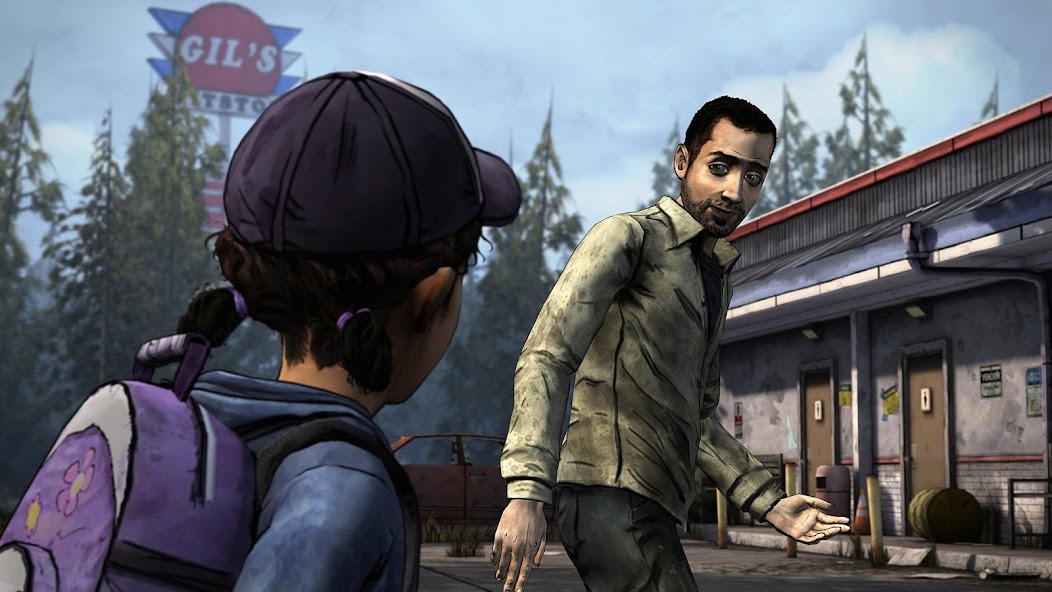
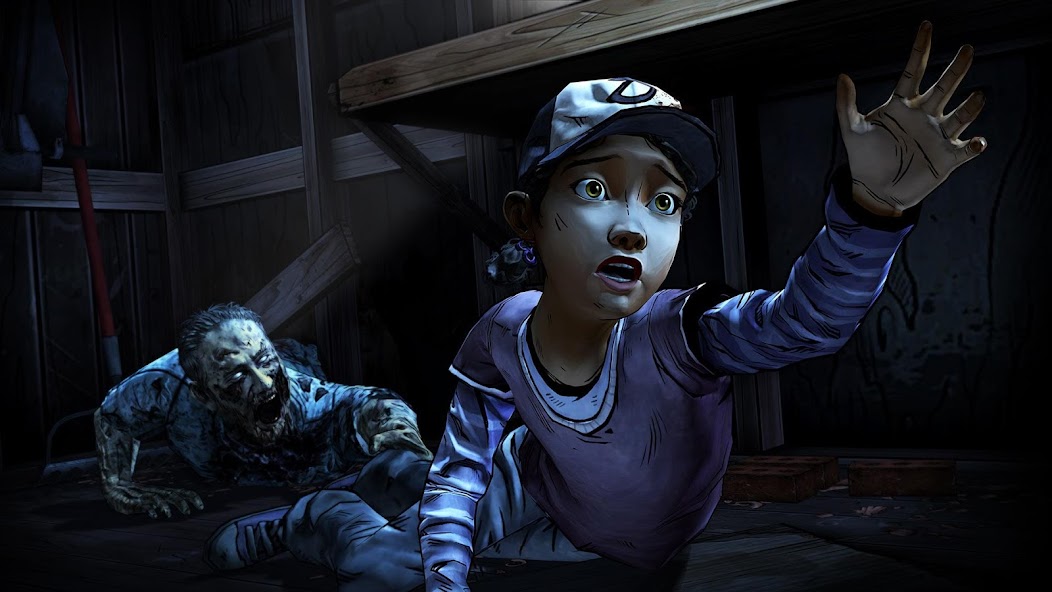
Season Two refines and expands the interactive mechanics established in the first installment, emphasizing a blend of conversational decision-making, environmental puzzles, and reactive action sequences to create meaningful player engagement. Dialogue options typically present tonal choices rather than strictly correct answers, and responses are intended to reflect personality, strategy, or expedience rather than to solve problems mechanically. Environmental puzzles are generally simple and context-driven, encouraging players to explore scenes, collect a few key items, and use them in moment-to-moment situations that highlight character relationships and consequences. Quick time events punctuate moments of physical danger, requiring timely inputs to navigate tense encounters; failure in these sequences often alters the story flow, producing variable emotional beats or even character fates. The game’s autosave and checkpoint systems preserve major decisions and their immediate outcomes, so choices ripple forward through subsequent episodes and can affect dialogue options, NPC behavior, and the composition of the surviving cast. Branching narrative design is layered rather than binary: many choices influence subtle attitude shifts and unlock alternate scenes rather than immediately diverting to wholly different plotlines, which rewards attention to detail and multiple playthroughs. The interface is intentionally minimal, keeping screens uncluttered so players focus on characters and situational nuance. Controls map intuitively to exploration and interaction, while cinematic cutscenes reduce direct player control to heighten dramatic emphasis. Inventory management is lightweight, avoiding time sinks and keeping the spotlight on decisions rather than resource micromanagement. Together, these mechanics promote an experience concentrated on moral complexity and emotional resonance, where player agency is measured less by combat prowess and more by the weight of words and choices, and where narrative consequences remain the core currency that motivates engagement and replay. Subtle shifts in tone and trust among companions can turn quiet exchanges into pivotal gameplay moments later on indeed.
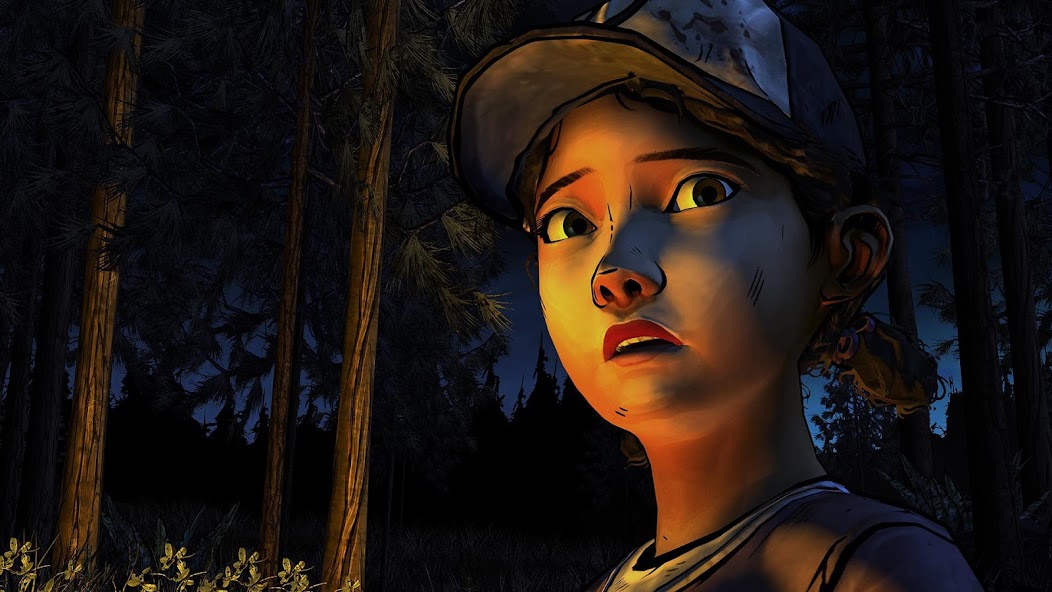
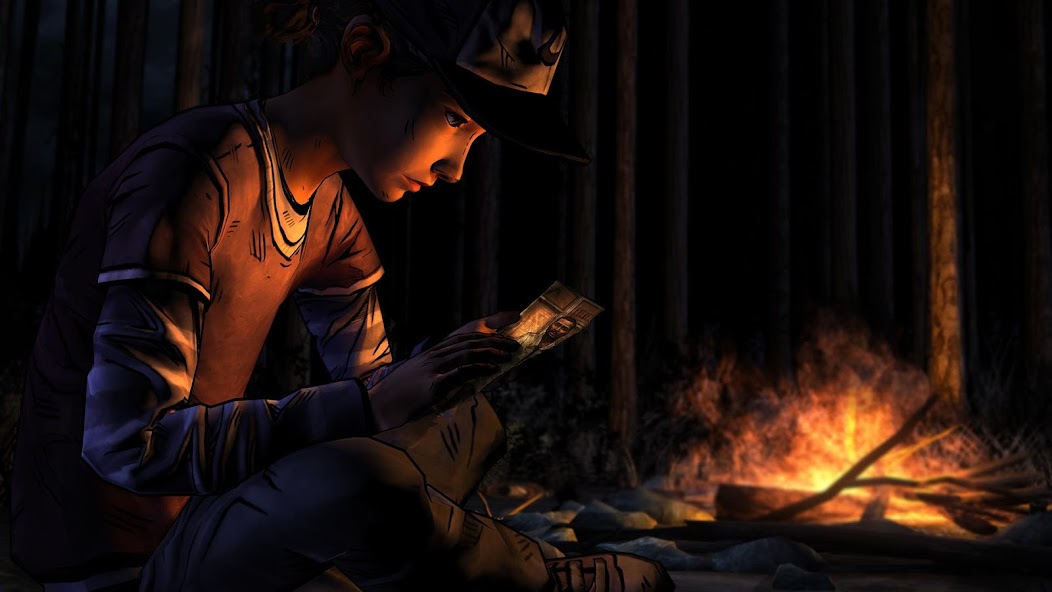
The visual and audio presentation of Season Two plays a crucial role in conveying mood, character, and narrative weight. Visually, the game adopts a stylized aesthetic that nods to the original comic while remaining distinctly cinematic, using thick outlines, textured shading, and a muted, somber palette that reinforces the story’s bleak atmosphere. Environments are detailed with everyday objects that anchor scenes in lived reality, while lighting and composition emphasize faces and gestures during intimate conversations. Animations prioritize expressive facial cues and body language, which help communicate subtle emotional shifts when dialogue options are chosen. Sound design complements the visuals with restrained ambient layers: distant groans, wind through broken structures, and the faint mechanical noises that populate abandoned spaces, all of which enhance immersion without overpowering scenes. The musical score is used sparingly but effectively, swelling during moments of revelation or peril to underscore tension and then retreating to silence to allow emotional beats to land. Voice performances are central to the experience; talented actors give depth to characters through nuanced delivery, bringing sincerity, fear, anger, and vulnerability to life in memorable exchanges. Audio mixing balances dialogue clarity with atmospheric depth so that spoken lines remain intelligible while still feeling situated inside a believable, worn world. Technical performance varies across platforms, but the core presentation aims to preserve cinematic frame pacing and crisp dialogue timing; optimization choices mostly affect resolution scaling, texture detail, and load times rather than core gameplay or story. Together, these artistic and technical elements create an immersive, character-centric experience where visual style and sound design converge to support the game’s emotional storytelling and to amplify the weight of player-driven decisions. Small technical trade-offs are often accepted to maintain cinematic continuity, prioritizing uninterrupted narrative flow over ultra-high graphical fidelity in many scenes and preserving performance for broad audiences.
At its core, Season Two is an exploration of growing up under impossible circumstances, centering on Clementine’s struggle to define herself amid chaos and threat. The narrative explores identity, leadership, and the erosion of childhood through sustained social pressure and moral compromise. Companions and antagonists serve as mirrors and foils, each relationship revealing different facets of Clementine’s developing ethics: loyalty, pragmatism, compassion, and self-preservation. The writing often resists tidy moralizing, presenting situations where survival imperatives collide with humanitarian impulses, forcing the player to weigh personal attachments against broader safety. Parenting and surrogate family dynamics recur throughout the episodes, as adult figures, peers, and strangers each model different approaches to care, control, and sacrifice. This focus on interpersonal dynamics deepens the emotional stakes; losses and betrayals land with weight because characters are drawn with inner contradictions and believable motivations. The game also confronts power, coercion, and the fragility of social order, showing how communities fragment and reconstitute under strain. Ethical dilemmas are rarely resolved cleanly; consequences ripple in unpredictable ways and frequently return to challenge earlier convictions, which gives the narrative a tragic, circular quality that resonates long after play. Players often report strong empathetic responses to Clementine’s choices, reflecting how the game fosters identification with a character who is both resilient and vulnerable. The episodic format reinforces this connection by allowing time for reflection between installments, making each decision feel consequential and remembered. Rather than offering definitive answers, Season Two invites contemplation about the costs of survival and the moral compromises people make when systems collapse. Its emotional weight derives from the combination of personal focus, ambiguous ethics, and the relentless pressure of a hostile world, creating an experience that foregrounds character and consequence over spectacle. Many players remember choices and haunting ramifications for years afterward, shaping ongoing reflections deeply.
Season Two has left a distinct legacy within the adventure game and interactive narrative communities, celebrated for its focus on character and difficult moral choices more than on conventional action gameplay. Critics and many players praised the writing, character development, and the emotional potency of key scenes, while discussions frequently center on the long-term impact of decisions across episodes and how those outcomes differ between playthroughs. Replayability stems primarily from curiosity about alternate dialogue branches and the desire to see how small changes cascade into different interpersonal dynamics; many players return to experiment with more aggressive, more conciliatory, or more secretive options to observe variant responses. While the title is not a traditional multiplayer or competitive experience, community engagement often manifests through essays, discussion threads, and video analyses that examine character motivations and thematic contrasts. The game appeals to players who value narrative agency, empathetic storytelling, and moral complexity over twitch-based mechanics, and it can be a strong recommendation for those who appreciate emotionally-driven, choice-focused entertainment. Season Two also serves as an instructive case study for designers interested in branching narratives: its balancing of choice impact, character continuity, and episodic pacing illustrates both the promise and constraints of interactive storytelling. Technically modest by some contemporary standards, the title nonetheless achieves strong expressive power through focused scenes, sharp writing, and evocative performances. For newcomers, the experience can be intense and sometimes unsettling, given its frank portrayal of hardship and loss; for returning players, it offers opportunities to deepen understanding of character arcs and to test different moral philosophies in pressured contexts. Overall, Season Two remains an influential example of how games can prioritize human stories and ethical inquiry, leaving a lasting impression that extends beyond the sum of its individual episodes. Its impact persists across discussions of narrative possibilities in media.

 HappyMod