What is The White Door Games?
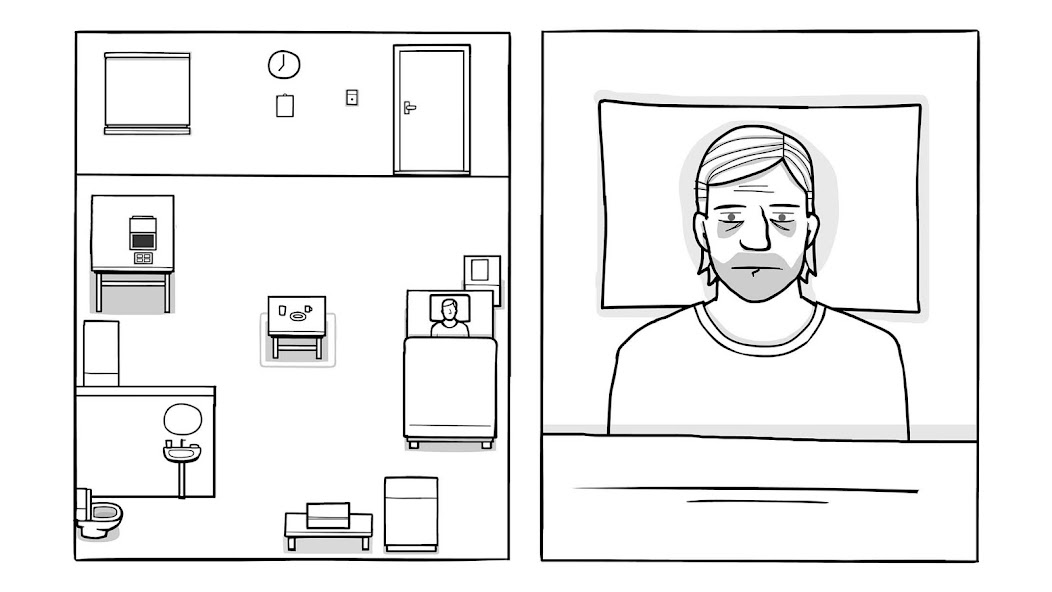
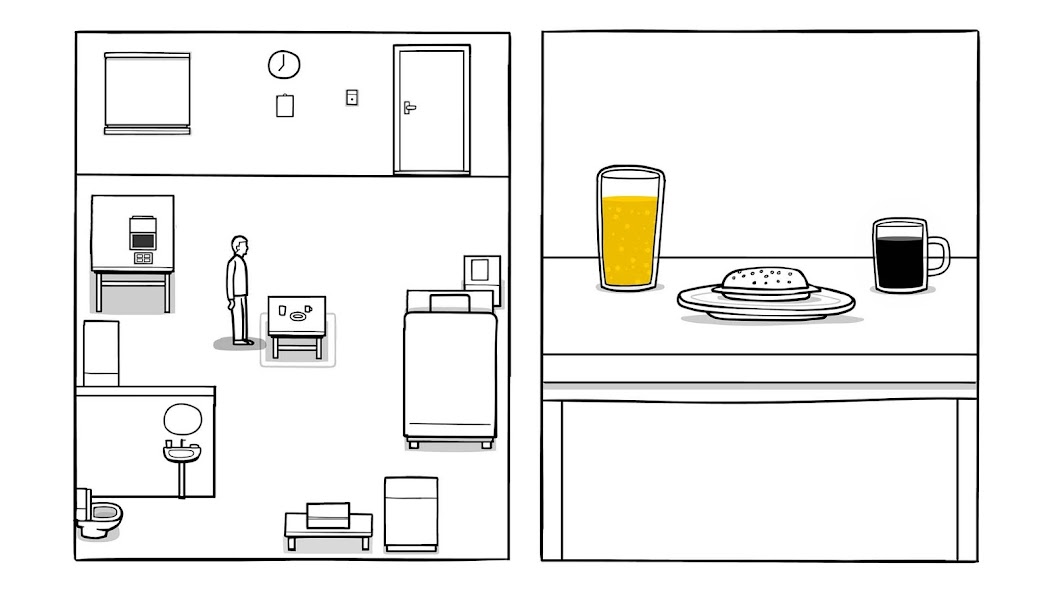
The White Door is a narrative-driven puzzle experience that places players in the shoes of a man waking up with amnesia inside a clinical, white-walled facility. Over a sequence of days the game unfolds as a slow, intimate investigation of memory and identity. Rather than relying on action or fast reflexes, the title focuses on observation, deduction, and emotional engagement. Players encounter short vignettes and compact puzzle scenes that gradually reveal fragments of the protagonist’s past and the circumstances that led him to the clinic. The pacing is deliberate: each day feels like a distinct chapter with a mix of routine tasks and strange, dreamlike moments that interrupt repetition. The central hook is less about plot twists and more about how mundane rituals and small objects can unlock powerful recollections. The design encourages careful reading of visual cues, patience with quiet moments, and a willingness to let ambient storytelling do the heavy lifting. Because the narrative is built from small, well-crafted scenes, the emotional resonance tends to accumulate rather than explode, making revelations feel earned. The White Door is therefore best described as a focused, compact work of interactive fiction where mood and atmosphere carry as much weight as puzzle design. Players who appreciate subtlety and character study in games will likely find the experience rewarding, and those who prefer tightly structured, concise narratives will appreciate how each day contributes to a satisfying, cohesive whole. It is a title that trades spectacle for introspection, using modest means to explore larger questions about memory, perception, and the way identity is assembled from fragments.
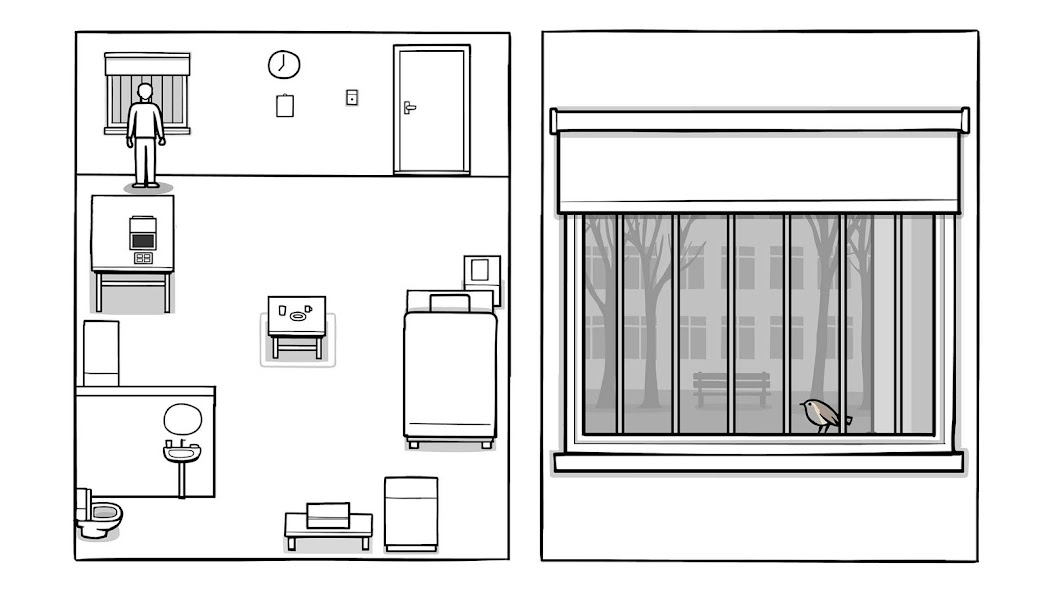
Gameplay in The White Door centers on short, self-contained puzzles embedded within a daily routine framework. Each waking period is structured around simple interactions: checking items, following instructions, responding to small tasks, and occasionally solving mini-puzzles that unlock further memories. The interface emphasizes clarity and restraint, keeping the number of interactive hotspots modest so players can concentrate on interpreting clues rather than managing complex inventories. Puzzles come in varied forms, including pattern recognition, sequence completion, matching visual motifs, and interpreting symbolic dream imagery. Some challenges reward careful note-taking and attention to repetition, while others require a moment of creative lateral thinking. The mechanic that ties everything together is the rhythm of routine: performing ordinary actions at set times creates a scaffold on which memory fragments are hung, and the contrast between repetitive tasks and surreal interruptions builds tension and curiosity. Controls are intentionally simple, which lowers the barrier to entry and allows players to focus on the narrative payoff. The game also includes moments of discovery that are not purely puzzle-driven, such as reading documents or piecing together conversations, so puzzle solvers and narrative seekers both find satisfying content. Progression feels natural and measured, with each solved puzzle revealing a new layer of context rather than just a new challenge. Because of this design, the game encourages exploration at an unhurried pace and rewards attentive, reflective play more than rapid problem-solving.
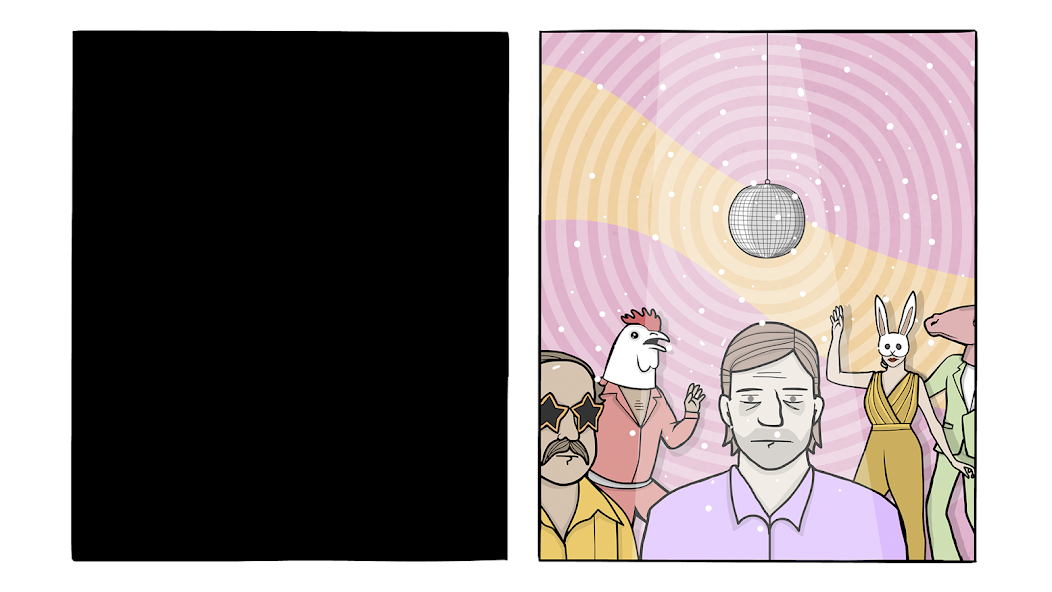
The White Door’s aesthetic identity is one of its most striking features, pairing minimalist, almost clinical visuals with carefully placed touches of warmth and surreal elements. The palette often leans toward monochrome and muted tones, which reinforces the sterile atmosphere of the medical setting while making occasional bursts of color feel meaningful and emotionally charged. Art direction favors clean lines, simple shapes, and expressive character silhouettes, allowing facial expressions and small gestures to convey significant narrative information. This restrained visual approach complements the sound design, which blends sparse ambient textures with delicate musical cues. The soundtrack tends to favor piano motifs, soft drones, and subtle percussive elements that underscore moments of reflection or disquiet without overwhelming the player. Sound effects are used judiciously—doors closing, the scratch of a pen, or the rhythmic hum of medical equipment—to anchor the experience in tangible detail. Together, visual and audio elements create a mood that oscillates between calm, clinical order and unsettling, dreamlike intrusions. Lighting and composition are used to focus attention, directing the eye toward important objects or framing a character’s isolation in the environment. The overall artistic choice is to imply rather than to state, trusting the player to fill in emotional and narrative gaps. This economy of design results in a cohesive sensory package where aesthetic restraint amplifies the game’s themes of memory, loss, and the fragile construction of self.
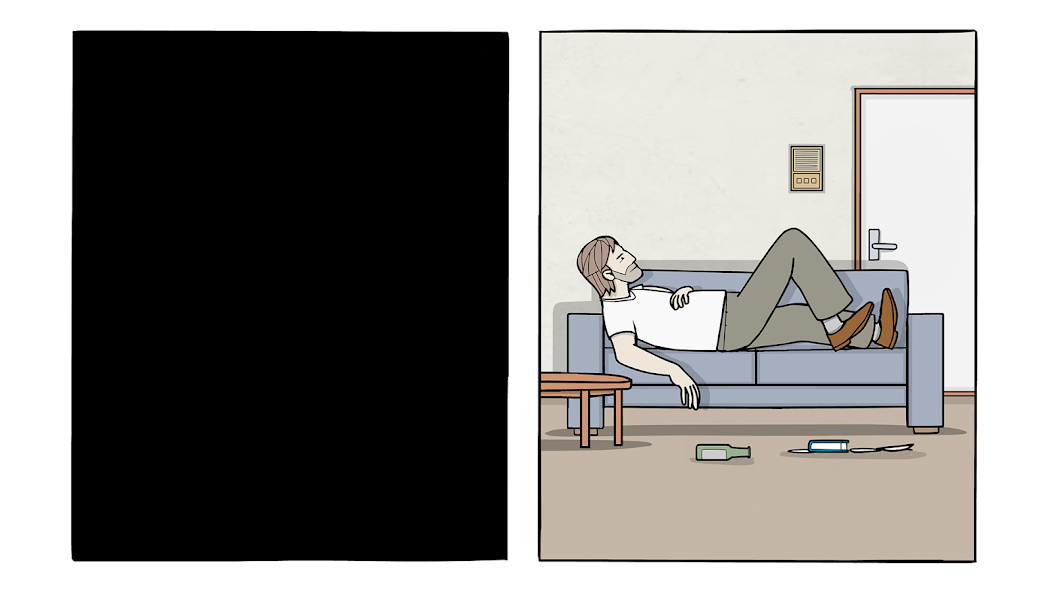
Narrative and theme are central to The White Door’s appeal, with the storyline built around fragmentation, recovery, and the ethics of remembrance. The protagonist’s amnesia sets up an exploration of how identity is reconstructed through objects, routine, and recollection. Story delivery favors implication and suggestion, presenting memories as patchwork scenes or symbolic vignettes rather than linear exposition. This approach creates an interplay between mystery and empathy: players feel compelled to solve puzzles not only to progress but to understand the person they are inhabiting. Emotional stakes are conveyed through small details—a photograph, a name on a note, a recurring motif—so the experience relies on cumulative emotional weight rather than dramatic reveals. The game also plays with the idea of unreliable memory, prompting players to question the fidelity of recalled events and to consider how trauma can distort or fragment personal history. The result is a meditation on the fragility of self-knowledge and the ways in which everyday habits and possessions function as anchors for identity. Without heavy-handed moralizing, the narrative invites reflection on care, vulnerability, and the slow work of piecing together a life. For players who enjoy narratives that reward attention and patience, The White Door offers a resonant, quietly affecting story that lingers after the last puzzle is solved.
Audience, length, difficulty, and replay value are important practical aspects to consider when approaching The White Door. The title is generally compact, designed to be experienced in a few sessions rather than hundreds of hours, making it accessible to players looking for a contained and complete narrative that can be revisited without major time investment. Difficulty sits comfortably in the moderate range: puzzles are clever and thoughtful but rarely punitive, rewarding observation and deduction more than trial-and-error. This makes the game suitable for players who enjoy contemplative puzzle work and story-rich adventures. Accessibility is supported by straightforward controls and a slow pace, so the barrier to entry is low for both casual and more experienced players. Replay value tends to come from close rereads of clues and a desire to catch overlooked details rather than dramatically different outcomes. There are satisfying moments of discovery scattered throughout, and players who enjoy examining craft and narrative structure will find value in revisiting the game to analyze how themes are stitched together. For group play, the game can prompt rich conversation as players compare what they noticed and how they interpreted symbolic fragments. In short, The White Door is aimed at an audience that appreciates well-crafted, emotionally resonant narrative puzzles in a compact, artful package that balances challenge with contemplative storytelling.
How to Get Started with The White Door?
- 1. Download the game from your device's app store.
- 2. Launch the game and create an account or log in.
- 3. Familiarize yourself with the interface and main menu options.
- 4. Explore the tutorial or introductory levels to understand gameplay mechanics.
- 5. Complete initial challenges to unlock features and tools.
- 6. Engage with the story and characters to enhance your experience.
- 7. Access any community features or forums for tips and discussions.
- 8. Set personal goals or challenges to keep motivation high.
- 9. Regularly check for updates and new content.
10 Pro Tips for The White Door Users
- 1. Explore Every Room: Investigate all areas to uncover hidden items and clues that can help you progress in the game.
- 2. Pay Attention to Details: Observe the environment carefully; small details may provide hints or lead to important discoveries.
- 3. Use Tools Wisely: Gather and utilize tools and items effectively to solve puzzles and access new areas.
- 4. Save Regularly: Save your progress frequently to avoid losing your place in the game, especially before challenging sections.
- 5. Take Notes: Keep track of puzzles, clues, and important notes in a separate document to help you remember key information.
- 6. Experiment with Combinations: Don’t hesitate to try different item combinations to see if they yield unexpected results.
- 7. Watch for Time Limits: Be aware of any timed events or limitations that could affect your gameplay and plan accordingly.
- 8. Learn Puzzle Patterns: Identify common patterns in puzzles, which can help you solve similar challenges more efficiently.
- 9. Engage with the Story: Immerse yourself in the narrative to gain a deeper understanding of character motivations and plot developments.
- 10. Share Insights: Connect with other players online for tips, strategies, and solutions to challenging puzzles.
The Best Hidden Features in The White Door
- Unique Storytelling: The game employs a narrative style that unfolds through various choices, leading to multiple endings based on player decisions.
- Interactive Environment: Players can interact with objects in unique ways, often revealing hidden lore and backstory.
- Secret Rooms: Many levels feature hidden rooms that contain collectibles or clues important for the story.
- Choice-Based Mechanics: Decisions impact character relationships and plot development, leading to diverse gameplay experiences.
- Puzzles and Challenges: Various puzzles require creative thinking to solve, often rewarding players with hidden items or insights into the backstory.
- Atmospheric Details: Subtle audio cues and visual elements enhance immersion and hint at secrets in the environment.
- Easter Eggs: References to other games or pop culture elements can be found, offering additional depth and humor.
- Character Journal: Players can find entries that provide insights into character motivations and experiences, revealing more about the narrative.

 HappyMod